Build Muscle & Bone, Stay Youthful Past 60
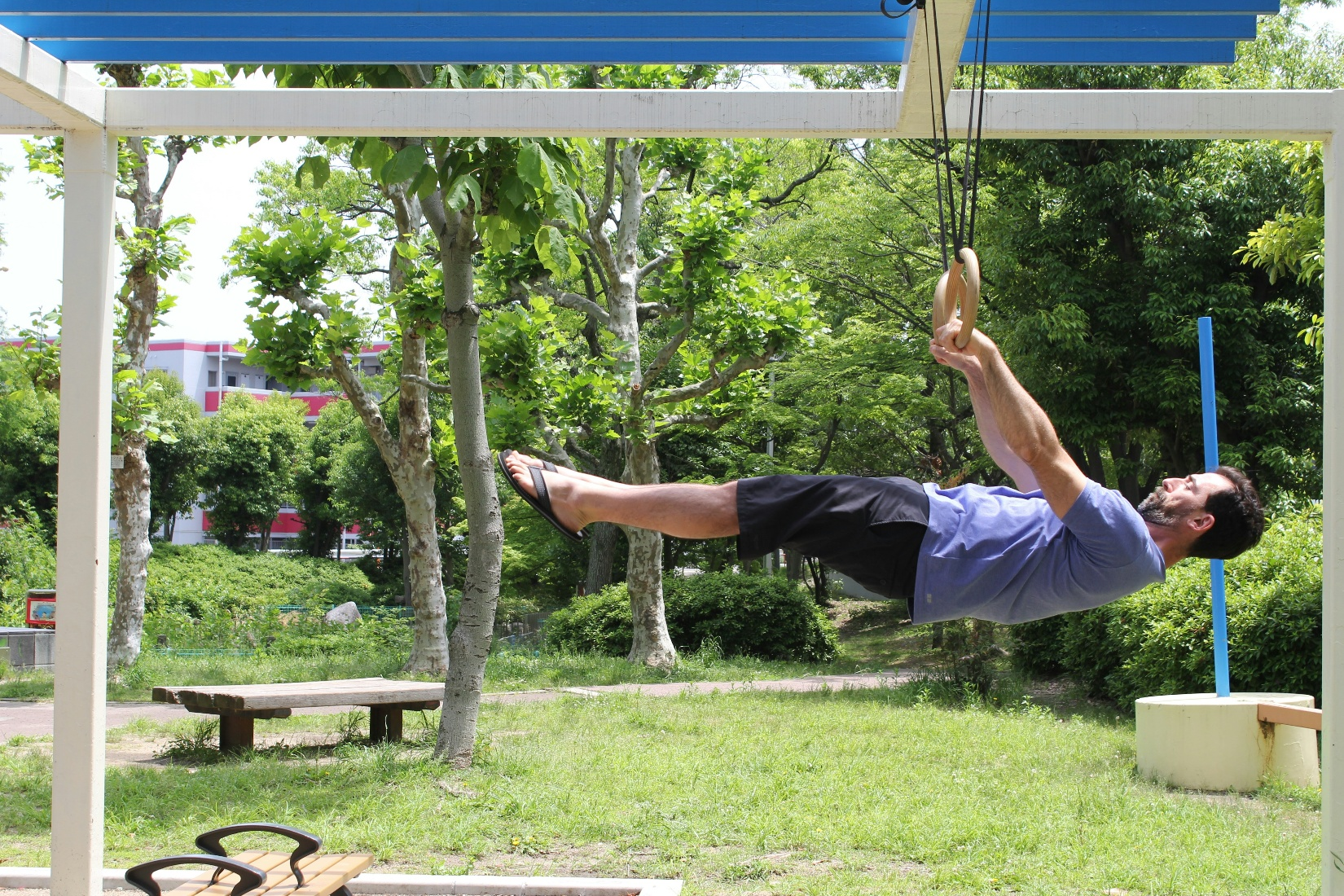
Build Muscle & Bone, Stay Youthful Past 60
Build strong muscles & bones to keep your body youthful past age 60. Muscle & bone loss starts in your 30's and increases after 60, especially for menopausal women. Shrinking muscle & inflammation rapidly ages you. Eating sufficient protein and doing strength training will build muscle & bone giving you mobility, stamina, and the freedom to live your best life.
Facts: Muscle & Bone Loss
Did you know that building strong, healthy muscles & bones will keep you more youthful? Even if you're already over 60 years of age, it's not too late. Don’t you think investing in your future freedom is important? To have the mobility and stamina to move about and do activities that we love beyond age 60, 70, and 80?
1. Fact: if a muscle isn't used, it begins to shrink within a few short weeks. In addition, the older we get the more muscle we naturally lose. After age 30, you start losing 3-10% of muscle & strength per decade. From age 50 to 70, muscle loss can be 30%. Wait.... WHAT? That's terrible.
2. Fact: from age 30-35 we also start loosing bone density which means they become less dense and much weaker. This condition leads to osteoporosis and brittle bones - which leads to bone fractures. It’s estimated 25% of men and 50% of women over age 55 will suffer a bone fracture. Hey ladies, that 1/2 of all women will fracture a bone. Andy FYI, I'm doing all I can NOT to be that one…. which means it could be you.
3. Also, during peri-menopause & post-menopause women will experience significantly more bone density loss - 20% within 5 years. How blessed are we… I say with much sarcasm! The good news is: you can gain muscle & bone density even over age 60.
Why is Protein Important?
Protein helps build strong muscles, bone strength, bone density, and helps our body produce more collagen. See #7 Habit below why we need more collagen especially as we age.

The Body Needs Protein
Protein improves metabolism and immune system
Protein helps your body burn fat.
Helps muscles repair tears, and recover after exercise.
Improves heart/cardiovascular health and lowers cholesterol.
Improves digestion for energy production and regulates hormones.
Carries nutrients to the body and improves brain function.
Helps skin health, and overall healthy aging especially with exercise.
Curbs hunger, controls cravings and blood sugar levels, etc.
Habits 1-4: Build Muscle & Bone
To gain, and maintain healthy muscle & bone as you age, do items 1-4. The rest of the list will complement your goals with added improvements. Remember: strong muscle & bone help you stay youthful well past age 60.
1. Eat more protein. The amount varies with age, gender, activity level, whether you're pregnant or breast feeding, and whether you're peri or post menopausal. See: How Much Protein do I Need?
2. Eat healthy fats, fiber, and complex carbs (carbohydrates). The body uses glycogen from carbs that are stored in the muscles to convert into energy during exercise/activity. Within 1 hour after exercise, eat protein and "complex" carbs to replenish glycogen levels in the muscles for faster recovery & muscle repair. Lower your carb intake on non-workout days. The amount of carb intake also depends on gender, age, and exercise intensity.
3. Lift weights 2-3 times/week and 2 HIIT (high intensity interval training) to build muscle & bone mass. You don't need much for a home gym: various weights, and maybe resistance bands, yoga matt, 12 inch step box, jump rope - all inexpensive. Now add some fun with music with DVD's, YouTube video's, or music playlist. Do other activities on non-weight lifting days.
Examples: What's Always With You & Healthier Than a Gym and Walk to Live Your Best Life.
4. Stretching also helps keep your muscles in their best condition - for a youthful, long, lean, and strong body. Some people prefer Resistance Training instead of weight lifting. Both are very similar as far as health benefits - like better strength & endurance for healthy muscles & bones. Resistance Training is usually done with "resistance bands" but can also be done with weights, a kettle ball or body weight.

Balance Your Body on Both Sides
When lifting weights, or doing resistance training you'll notice that one side of your body is a little stronger and more flexible than the other side. Typically if you're right handed, the right side of your body is more dominant - stronger and possibly more flexible.
Balance your body. If you don't strengthen & stretch your weaker side a little more to get your body in balance, you're at a higher risk of injury. For example a weaker leg may cause you to walk on one side of your foot instead of the entire foot which causes imbalances, inflammation, and injury.
By strengthening & stretching your weaker side a little extra, your body becomes balanced and stable, less prone to injury, with less inflammation & pain during and after activity.
Habits 5-10: Build Muscle & Bone
5. Electrolytes - are minerals that protect muscles & build bone strength. If you eat healthy you'll get most of the magnesium, potassium, and sodium you need. However, you lose electrolytes when you sweat - especially during heat & humidity and exercise. If you tend to sweat more - consider drinking coconut water or an electrolyte supplement to replenish the minerals you lost.
6. Calcium - needed for strong healthy bones, and most people are deficient. Age & gender determine calcium needs - about 1,000 mg for adults 19-50. Over 50, especially women need about 1,200 mg. Vitamin D & K2 must be also be included in the supplement to help with absorption. Don't exceed dosage limits.
7. Collagen Powder - helps support your bone structure and muscle repair. It's great for skin, muscles, bones, organs, arteries, joints, and ligaments. As we age, our body doesn’t naturally produce as much collagen. Look for Type 1 and 3 which make up 90% of your body's collagen, so the other types aren’t necessary. Get grass fed, pasture raised, 1 ingredient collagen powder.
8. Whey Protein Powder Isolate - don't overuse as protein powder, keep it to one meal or snack/day. Also, it’s easier for the body to digest & absorb whey (animal) protein than plant protein.
See my blog about hazardous
ingredients:
These agencies test and
confirm ingredient safety.
9. Vitamin D from the sun - helps muscle & bone strength. Most people are Vitamin D deficient.
10. Don't smoke and limit alcohol consumption.
Talk to your Doctor if you have health concerns. Ask if the medications you take cause bone loss - example: some hormone medicines, thyroid disease, and steroids contribute to bone loss.
Protein Recommendations
USA government originally said we need 0.8 grams of protein/day. Their 2020-2025 guidelines said adults 19+ should eat 50-175 grams of protein/day. Finally, the Trump administration in their 2025-2030 agrees with the 1.2 - 1.6 grams/day per kg pf body weight is needed. For a 200 pound person = 72.6 grams/day.
Sports Medicine magazine in their 2022 study said that eating about 1.5 grams of protein per kg of body weight daily AND doing resistance strength training is optimal for muscle strength and lean body mass. This means more muscle, less fat, and strong dense bones. This formula will help you stay youthful and keep your freedom of mobility. They also conclude that adults at any age should eat 1.2 to 1.6 grams of protein daily.

Sources Agree on 4 Facts:
1. The amount of protein needed varies with age, gender, exercise intensity, pregnant or breast feeding, and menopausal.
2. We should increase our protein intake as we age especially after age 50, as well as women in peri or post menopause.
3. Protein is very important to many body functions, and based on medical data the American diet does not include enough.
4. Extreme athletes need more protein.
How Much Protein Do I Need?
The suggested amount of protein required varies - however the most common answers are 1.2 to 1.6 grams of protein/day per kg of body weight. First, consider the #1 Fact just above or talk to a degreed, RDN Dietitian.
Those who do moderate to intense activity, 1.3 to 1.6 grams of protein per kg of body weight is recommended. For a 150 pound person = 88 to 109 grams/day.
For anyone over 50 years old, Stanford Medicine recommends 1.2 to 1.6 grams of protein per kg of body weight. For a 150 pound person = 82 to 109 grams/day.
Other health professionals say post-menopausal women doing moderate intensity strength training should get 1.2 to 1.6 grams of protein/day per kg of body weight.
Not Enough Protein
If you're not eating enough protein every day your body will start to break down muscle. Your body needs protein to perform all of it’s functions. If you don't get enough protein, your body will literally feed on itself, specifically your muscles to get the protein it needs to keep your body going. Sounds kind of gross… but, your muscles will shrink in size & strength. And as you get weaker, you’ll lose bone density resulting in brittle bones.
Too Much Protein
Sowhat happens when you eat too much protein? This scenario isn't good for your body either. You can experience fatigue, weight gain, kidney or heart disease, nausea, diarrhea, dehydration, digestive issues, seizures, and yes.... even cancer.
Protein Restrictions
If you have a health condition that interfere with digestion, especially with proteins - you may not be able to eat the recommended amounts. Talk to your Doctor about this. I also learned that animal proteins are more easily absorbed by the body than plant proteins…. didn’t expect that. If you're concerned about your protein intake - talk to a degreed Dietitian who is a RDN (Registered Dietitian Nutritionist).
Also, research has shown that consistently eating more than 2 grams of protein/day per kg of body weight can lead to serious health concerns.
Ways to Stay Youthful Beyond 60

Stay youthful, happier, and healthier past age 60:
Build muscle & bone density - exercise and avoid sitting for long periods of time without taking breaks to move.
Help your body's internal functions perform better - eat a healthier diet.
Get good quality sleep for 8 to 8.5 hours. See: Lack of Sleep Turns You Looney.
Chronic stress - learn methods to Relax Your Mind or Go Cuckoo.
Get outdoors and do fun activities but don’t forget the sunscreen.
Limit alcohol & sugar intake and quit smoking.
Keep inflammation down - eat a healthy diet (whole foods, protein, fiber, healthy fats), get deep sleep, and exercise.
Feed your gut with probiotics (the good bacteria) since digestion controls many things.
Keep your male/female hormones in balance. Increase melatonin hormone for sleep and growth hormone for repair & regeneration, and lower cortisol hormone from stress.
Boost your immune system - certain foods boost immunity and so does exercising.
Foods that Build & Maintain Muscle
Complex Carbs with High Fiber
High fiber foods help regulate blood sugar levels and aids digestion. Cook gently on lower heat to maintain fiber content. Leave the skin on for most veggies except butternut & acorn squash. There are other complex carbs to choose from, however their fiber content is lower.
Vegetables - broccoli, spinach, kale, collard greens, cabbage, brussels sprouts, cauliflower, carrots, green beans, peas, sweet potatoes, asparagus, artichokes, corn, potatoes. butternut & acorn squash, turnips
Fruits - blueberries, blackberries, raspberries, figs, apples, oranges, bananas, pears, grapes, guava, mango, passion fruit, pomegranate, kiwi, persimmon, grapefruit, cherries, prunes, avocado
Legumes - lentils, black beans, kidney & pinto beans, split peas
Whole Grains - oats, oatmeal, quinoa, brown rice, wheat bran cereal, wheat & seed bread, chickpea pasta.
Other - popcorn

High, Lean Protein
Protein builds & repairs muscle, helps maintain bone density, helps regulate metabolism, controls blood sugar levels, produces certain hormones, promotes wound healing, and improves cognitive function, etc.
Animal - skin off chicken breast, turkey, ground beef, sirloin, tenderloin, pork loin, whole eggs
Seafood - salmon, cod, tuna, shrimp.
Dairy - full or partial fat greek yogurt like Fage (without added sugars, and has live cultures) and low fat cottage cheese
Legumes - chickpeas (hummus), lentils, beans like black beans & kidney beans, peas, edamame
Whole Grains - quinoa, oats, buckwheat, millet
Nuts & Seeds - almonds, pistachios, walnuts, cashews, peanuts, hemp seeds, chia seeds
Protein Powder - whey protein isolate has less fillers. Check for clean products without toxic metals: see the bottom of the page "Clean 16" at Clean Label Project. FYI: read the ingredients to check for added sugars & fillers. Stevia & Xylitol are good sugar substitutes. And, don't overuse protein powder as a protein source.
Healthy Fats
Healthy fats regulate blood sugar levels, give you energy, produce male/female hormones, reduce inflammation, support brain & immune functions, protect organs from damage including the skin, etc.
Oils - extra virgin olive oil sourced from 1 location, coconut oil, avocado oil. For cooking above 375 degrees F., use coconut oil or avocado oil.
Fish - salmon, tuna, trout, sardines, herring
Cheese - mozzarella, feta, parmesan, ricotta, cheddar, goat cheese, Swiss, blue cheese
Dairy - full or partial fat greek yogurt like Fage (without added sugars, and has live cultures) and low fat cottage cheese
Nuts & Seeds - almonds, pistachios, walnuts, cashews, pecans, macadamia, peanuts, hazelnuts, chia & flax seeds
Nut Butters - walnut butter, peanut butter, almond butter. Ingredients should only contain the nut & salt, watchout for added sugars and oils. No Palm, Palmate, or Palm Kernel oil
Other - 70% or higher dark chocolate, hummus (chickpeas)
Spices & Drinks
Ginger & Turmeric - reduce inflammation helpful for gut health, turmeric prevents growth of fat cells & promotes the release of fat tissue, while ginger may help burn fat by increasing metabolism & supporting insulin performance.
Foods High in Water Content - watermelon, cucumber, oranges, tomatoes, grapefruit, apple, zucchini, pineapple, celery, broth, etc. have a high water content, are low in calories, have some fiber, and help you feel full.
Spicy Foods - spicy foods & seasonings like jalapenos and chili pepper help your body burn fat, and can reduce your appetite making you feel full faster.
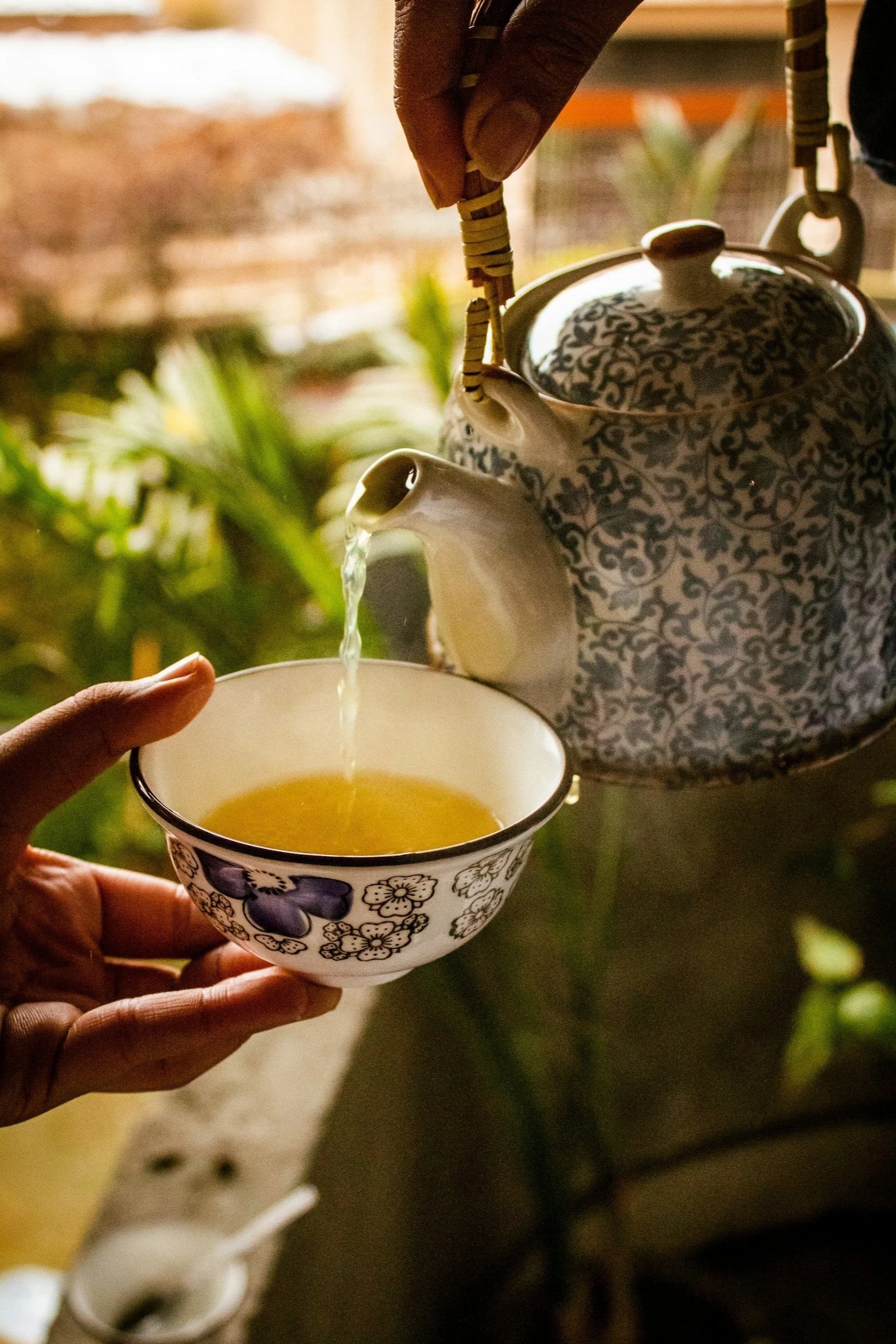
Green Tea - green tea does have some caffein in it, so you may get a metabolism boost and burn some extra calories. One study showed those that drank 4 cups of green tea/day lost over 6 pounds in 2 months.
Healthy Snacks that Taste Like Dessert
There are healthy versions of : cheesecake, chocolate mousse, chocolate peanut-butter squares, fruit parfait, etc. The recipes use proteins like Fage yogurt, blended cottage cheese, ricotta cheese, eggs, etc. Most also include healthy fats like peanut butter, nuts, coconut oil, and dark chocolate. And of course, we sweeten the recipe with low glycemic sugars like stevia, xylitol, or agave. And voila - you've got a healthy snack that tastes like dessert.
Besides being de-lish, the added benefit of plain Greek yogurt’s probiotics (the good gut bacteria) help the digestive system and the sugars listed above that don’t spike your blood sugar. It’s a WIN all around.
Diet & Dieficiencies
Every meal should include protein, fiber, complex carbs, and healthy fats. Eat a good variety from each category for optimal health benefits. Read this: Help Your Body Burn Fat. Check with your doctor, especially if you have any health condition as some supplements may interfere with your illness or prescriptions.
If you're eating the right foods to cover your nutritional needs - supplements are a WASTE of money - unless you have a deficiency or health condition. For instance, I'm a little short on iodine for thyroid health so I take kelp 3 times/week, plus I take liquid vitamin D in the winter if there's no sunshine.
FYI: most Americans are deficient in Vitamin D, A, C, E, B6, B12, omega 3 fatty acid, calcium, magnesium, potassium, iron, folate, iodine, zinc, selenium, and fiber.