Fix Your Unhealthy Gut

An unhealthy gut causes all sorts of problems that affect your entire wellbeing. Did you know your gut/digestive system slows down as you age? Learn the symptoms of an unhealthy gut and how to heal it - to stay regular, lose weight, reduce pain and inflammation, have energy, sleep better, and you’ll rarely get sick.
Fix Your Unhealthy Gut
It's surprising to find out how many functions within your body are affected by one simple thing: your gut. Here’s something I didn’t know - the gut isn’t just the stomach - it's your whole digestive system, and it works like a control center, second of course to your brain, that affects your whole being. If all systems are green, you should be within a healthy weight range, have energy, and overall feel pretty great.
However, if your gut microbiome is not balanced and your digestive system is slow or not working properly - your physical, mental, and emotional health will suffer. If you're experiencing some of the symptoms of an unhealthy gut you'll be happy to know - you can easily change a few things you're doing to fix your digestive system and heal your body.
When you add age into the equation - you might need to get a little more disciplined to maintain your gut health. Sure, I know what you're thinking: everything's moving along just fine…. but wait, most people start experiencing problems by age 50.
Your digestive system is going to slow down and lose some of it's power around age 50. If you've been carefree about your diet & lifestyle, and don’t exercise - it's possible you'll have symptoms much earlier. Learn what those symptoms are.
Can I just say.... sometimes getting older just blows! Wouldn't it be great to be 50 for the last 40+ years of your life? Sadly, the reality as a middle-aged adult is this: your gut might start talking to you. And, that’s not a good thing.
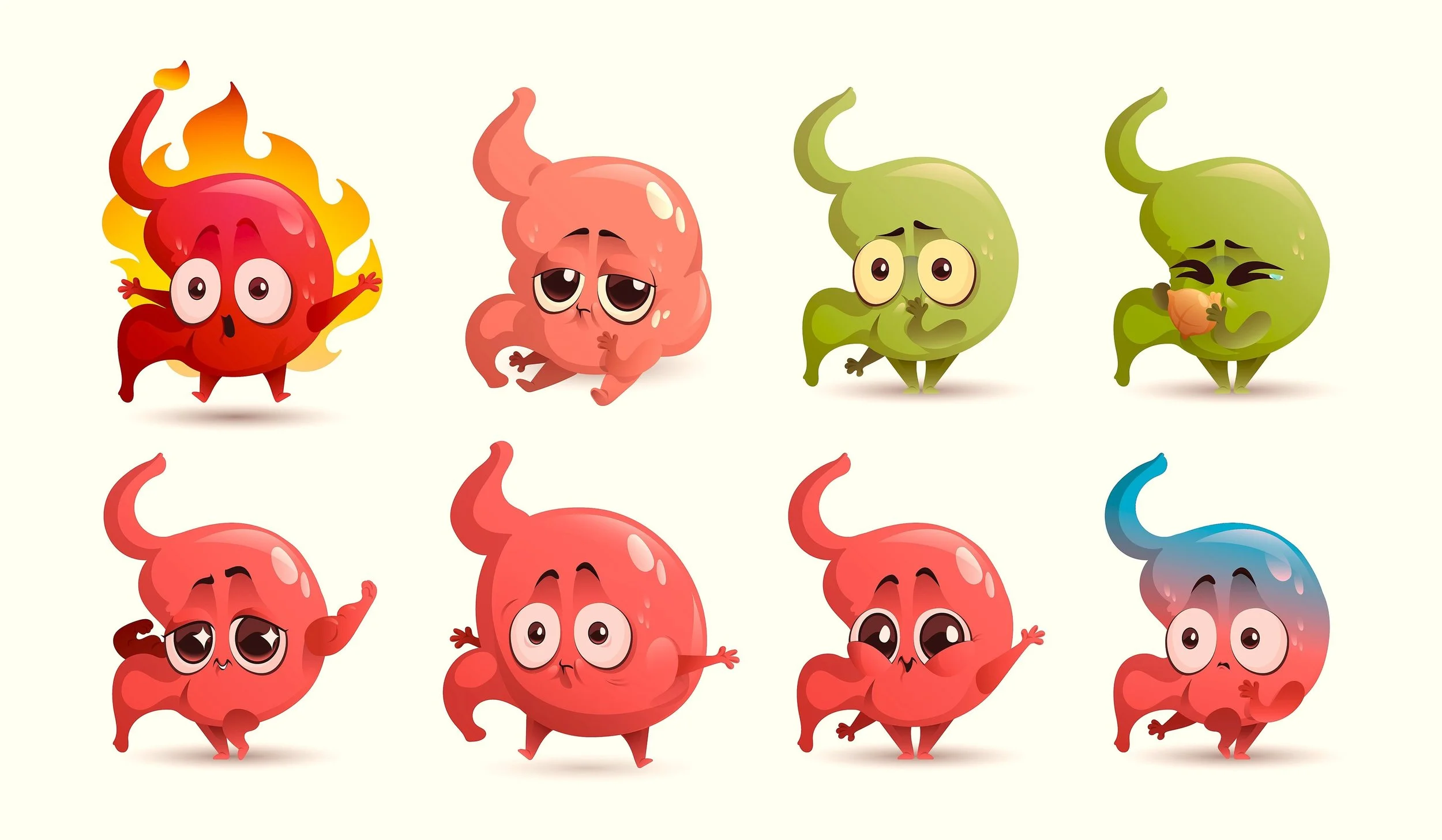
An Unhealthy Guts Affects Your Entire Being
To stay regular, lose or maintain weight, reduce pain & inflammation, have energy, be happier, think clearly, sleep better, and rarely get sick - heal your gut and your entire being.
Did you know your gut contains trillions of microscopic bacteria, fungi, and viruses? It sounds like we'd be sick all the time with all those nasties running around our bodies. The environment of your gut is called the "microbiome" which is the community of organisms that live in your gut.
A healthy gut is perfectly balanced, consisting of certain amounts of each of those organisms - some are good bacteria that help the body, especially your immune system, and some are bad bacteria.
A simplified explanation of an unhealthy gut is: when there's not enough good bacteria to keep all the bad stuff in check - the bad bacteria will take over causing an imbalance. And that means trouble is coming.... to your physical, mental, and emotional health.
Symptoms of an Unhealthy Gut
Weight gain or loss - usually people experience weight gain, slower metabolism, high blood sugar levels, changes in appetite, and sugar cravings.
Poor sleep - problems falling asleep or staying asleep, and waking up frequently due to stomach discomfort/pain.
Digestion issues - bloating, constipation, diarrhea, heartburn, stomach pain, fatigue, low energy, skin issues, IBS irritable bowel syndrome, and more.
Autoimmune issues - the body's immune system attacks it's own organs by mistake, rheumatoid arthritis, type I diabetes, thyroid issues, IBD inflammatory bowel disease.
Lack of nutrients - lack of nutrients from a poor diet, or not properly absorbing nutrients into the body. Both can cause fatigue, weakness, weight and muscle loss, diarrhea, irregular stools, etc.
Weak immune system - puts you at risk of illness, infection, inflammation, and allergies.
Joint pain - inflammation in the stomach can cause joint pain and stiffness.
Food sensitivity - you could develop an intolerance to certain foods you used to eat without any problems.
Risk of disease - heart disease, obesity, diabetes, liver or kidney disease, colon cancer, autoimmune disease, gastro-intestinal diseases, etc.
Mental/emotional health - mood swings, anxiety, depression, unbalanced hormones, dementia, Alzheimer's. Also, general brain functions like thinking, learning, and memory can be impaired.
Common Causes of an Unhealthy Gut

1. Diet: Sugary & Processed Foods
The past 2 decades have seen major changes in diet and overall health, especially in the USA. Diets today are higher in sugary foods, processed foods, and bad fats.
A healthier diet is needed by the digestive system to break down (ferment) food into liquids, which also determines how well the body controls blood sugar. Huge Health Declines, How to Remedy?
Reports are now showing significant increases in colon cancer and chronic stomach inflammation resulting in various gastro-intestinal diseases.
The unusually high number of younger adults with colon cancer has become so serious, the USA's Preventive Services Task Force wants to start testing adults around age 45.
2. Diet: Unhealthy Fats
Common Unhealthy fats:
Limit intake of saturated fats: coconut oil, butter, fatty meat, full fat dairy, palm/palmate/palm kernel oil, etc.
Avoid trans fats: hydrogenated & partially hydrogenated oils, deep fried foods, baked goods, processed meat & snacks, fast food, etc. Hydrogenated (full/partial) foods: baked goods, refrigerated dough, some margarines, snack foods like chips/crackers, microwave popcorn, non-dairy creamer, shortening, etc.
When cooking, stay away from seed oils: canola oil, corn, cottonseed, grapeseed, sunflower, safflower, rice bran oil, and peanut oil. These cooking oils are highly processed, and can be bleached, deodorized, and contain hexane which is a petroleum chemical and neurotoxin. I beg you to also BOYCOTT Palm/Palmate/Palm Kernel oils - it's high in saturated fats and causes inflammation, cancer, type 2 diabetes, and other health risks. Palm Oil also destroys everything it touches:
Palm Oil - burns massive forests & ecosystems, destroying and harming endangered species and the indigenous people that call that area home.
Southeast Asia is exposed to a haze in the air from greenhouse gases due to burning everything to make way for planting and water & soil contamination. And there’s been sharp increases in diseases including eye, skin, cardiovascular, respiratory, and premature deaths in fetus, infant, and children all due to palm oil production.
3. Lifestyle Habits that Harm the Gut
Other common factors and lifestyle habits also cause harm to your gut/digestive system. One single factor can also domino into a list of ailments. Let's say you have chronic stress. Stress causes an unhealthy gut, poor immune system, weight gain, poor sleep, headaches, weight gain, and more.
What does chronic stress do? Well, the bad bacteria overpowers your gut which compromises your immune system leaving you at risk for other physical, mental, and emotional ailments. I know this from personal experience and it's a deadly domino effect resulting in multiple health issues.
Chronic stress - or even high stress that’s more temporary. Learn: 13 Stress Kicking Habits.
Diet - the gut microbiome will be taken over by bad bacteria if you’re consistently lacking in fiber, protein, good fats, fruits/veggies, whole grains, and nuts/seeds.
Toxic - also dangerous are foods with toxic chemicals. See: Toxic, Don't Buy Dirty.
Lack of exercise - lack of exercise slows digestion, increases risk of disease, causes inflammation, and gut imbalance. Build Muscle, Stay Youthful.
Dehydrated gut - dehydration slows digestion, causes inflammation, and gut imbalance.
Poor sleep - poor sleep puts you at risk of additional mental health concerns: Lack of Sleep, Looney Tunes.
Poor immune system - a poor immune system will cause inflammation, an imbalanced gut, and put your entire health at risk of illness & disease. Don’t Get Sick, Boost Immunity.
Low serotonin - An unhealthy gut doesn’t allow serotonin production. What boosts serotonin? Stay Rooted in Your Happy Place.
Medication & Medical Conditions - antibiotics and certain medications can kill the good bacteria in your gut microbiome. There's also many medical conditions that harm the digestive system. Some of the most common are: diabetes, ulcerative colitis, Crohn's disease, IBS irritable bowel syndrome, constipation, diarrhea, colon cancer, and GERD Gastroesophageal Reflux Disease.
4. Immune System Controlled by the Gut
It's no surprise that the immune system and digestive system are linked. If you have poor gut health, your immune system will be compromised. The reason is 70% of your immune system is in your gut. This means a healthy gut is crucial for a healthy immune system.
5. Serotonin Produced by the Gut
Serotonin is known for it's ability to affect mood - making you feel happy and calm. Guess where it's produced? Yep, almost all serotonin is produced in your gut. Seratonin levels are also linked to other functions as well as emotional health.
Levels too high or too low can cause anxiety, depression, problems with digestion, changes in appetite, low sex drive, memory issues, and poor sleep. Try these to boost serotonin: Make Happy Hormones.
Digestion Slows Down as You Age
Around age 50 your digestive system starts slowing down and it's not quite as powerful. The entire process from food in to stuff out can take longer than it did in your 20's and 30's. FYI: digestion can slow down earlier or later than age 50 depending on lifestyle habits.
What causes the slow down: not as much stomach acid or enzymes are produced to break foods down into liquids, and the muscles are not as efficient in moving things on down the pipe. Also, stomach acids may not always stay where they should and sometimes travel up.

An Aging Gut
Since many people physically start to slow down in their 50's and 60's, digestion issues are more likely to occur.
Both of these 2 scenarios below quickly lead to a number of issues like constipation, diarrhea, weight gain, heartburn, etc.
Maybe you ate a healthier diet and exercised, but now you're 55 and think you've earned a more relaxed lifestyle that includes more pasta, wine, and naps.
Maybe you threw in a few vegetables on occasion and exercise was walking street fair's on the weekends. You don't have much energy anymore so you slow down even more.
Photo - just trying to make you laugh. Did it work?
Symtoms of an Aging Gut
Constipation - causes are diet, lack of exercise, dehydration, and some medications. Fact: 69% of adults aged 40-79 in the USA take one or more medications in one 30 day study.
Diarrhea - causes are digestive disorders like IBS irritable bowel syndrome, new food intolerances, diabetes, or medications/antibiotics.
Gas & Bloating - if digestion is slow, food stays in your stomach longer which can mean gas & bloating.
GERD Gastroesophageal Reflux Disease - stomach acid travels up the esophagus to the throat. Sometimes called acid reflux.
Enzyme Production - with less enzymes to digest food, some foods may become harder to digest which means inflammation, pain, bloating, gas, constipation, diarrhea, acid reflux, et.
Weak Muscles - the muscles that move the food along have gotten weaker, making the digestive system slower and irregular.
Diverticular Disease - small protruding pouches form in the colon due to weak tissue which can get inflamed or infected. They believe diets low in fiber and possible lack of exercise cause this condition.
Habits to Fix Your Gut/Digestive Health
A healthier diet, plenty of water, and exercise will keep your digestive system in great working order. You'll feel more energetic, have less pain & inflammation, be in a happier mood, think more clearly, sleep better, rarely get sick, and likely be at a healthier weight. YAY.
What we eat or don't eat is directly related to the health of your gut microbiome. Healthier food is the fuel to keep your digestive system running right, whereas the low grade stuff like junk foods, low nutrient & toxic foods won't cut it! When your stomach receives fuel (food) - it’s acids and digestive enzymes are used to break the food down into liquid.
Next, the liquid moves into the small intestines where the vitamin & mineral nutrients are absorbed into the bloodstream to be disbursed throughout the body. The last phase happens in the large intestines where the leftover stuff is basically stored until it's ready to exit stage bottom.
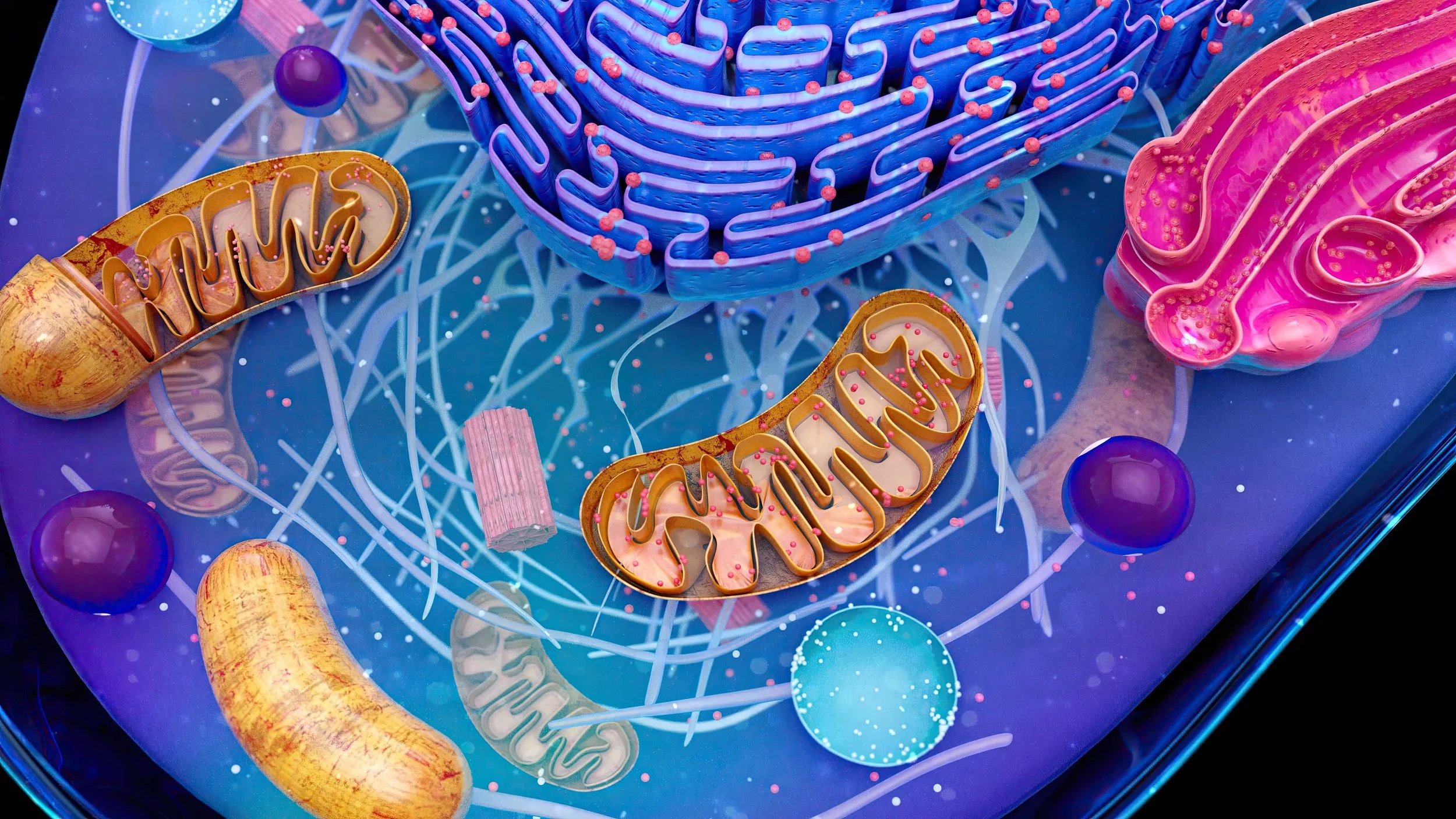
To Maintain a Healthy Gut
In order to maintain a healthy gut, you need to feed it a diverse range of foods to keep the microbiome in balance.
The following lifestyle and diet habits will keep your digestive system working properly well into old age.
Boost Your Immune Sytem
Boost your immune system. Eat healthier, exercise, decrease stress, get good sleep, quit smoking, limit alcohol intake, and stay clear of sick people. Juices like kombucha, carrot, ginger, beet, echinacea and elderberry are especially helpful to give your immune system a boost once a week - daily if you feel like you might get sick.
Also, these vitamins will boost your immune system: vitamins C, D, E, and zinc. There’s also a liquid tincture of a mixture of herbs that give your immune system a super boost: "Wellness Formula", I take it 3 times/day if I start feeling sick. It’s amazing.
2. Hydration
It's very important to drink 8 to 12 cups of water/day depending on your weight and how much you sweat out during the day. You may substitute 1-2 cups of green tea for water. If you need sweetener, use Stevia or Xylitol because the glycemic index (sugar level) is almost non-existent.
Flavored Water - if you like a little flavor in your flavorless water - add slices of lemon & orange, strawberry & sweet mint leaves, or cucumber for great variety. Plus, it’s healthy.
3. Coffee & Alcohol
Limit coffee & alcohol because both are acidic and can really cause havoc to your stomach and digestive system, especially if you have ulcers, GERD a.k.a. acid reflux, or heartburn. With coffee, it’s better to drink it after breakfast, and only 1-2 cups with Stevia or Xylitol if needed.
4. Exercise / Physical Activity
Exercise and physical activity are play a key role in keeping things moving - and not to be gross - but, you need to keep things moving. There's so many illnesses & diseases you can avoid by exercising. - take a walk 5 days per week and explore. A great strategy is walking 20-25 minutes in the morning and again after dinner. The time flies by.
Walking after dinner is especially helpful because it moves all the glucose into the muscles to be used for energy, rather than storing it in your fat cells. Glucose is in fruits, starchy vegetables, pastas, dairy, condiments, processed foods and junk foods, etc. Walk to Live Your Best Life.
If you hate the "E" (exercise) work - outdoor physical activity can also do the trick. You need strength to keep from losing muscle mass as you age and cardio for your heart health.

5. Reduce Stress
Did you know stress can intensify the symptoms of digestive issues or diseases you already have?
It can also affect the muscles used for digestion, change your gut's microbiome, and cause inflammation. So let's all practice calm.
6. Fiber is Important for your Gut
Fiber is so important for your digestive system. The CDC Centers for Disease Control says that most Americans get about 1/2 the fiber that’s needed. Less than 10% get the recommended amounts which could be why there’s such an increase in colorectal cancer (colon/rectum) in younger adults.
Fiber helps prevent diabetes, certain cancers, lowers blood sugar & cholesterol, and improves heart health and weight management. See fiber under “Foods that Repair Your Gut” below.
7. Don’t Eat Before Bed
Avoid eating late at night and before bedtime. That habit will surely cause weight gain, heartburn, indigestion, acid reflux, blood sugar spikes, and most likely interrupt your sleep from stomach issues. As you age, the symptoms will get worse. It's recommended you don't eat 3-4 hours before bedtime. I say, if you're over 50 - stick with the 4 hour rule and don’t make your last meal a big one.
8. Eat Smaller Meals & Eat Slower
If you notice your digestive system is moving slower, and it’s not exactly happening every morning, you may need to eat 4 smaller meals/day. This also works if you have bloating or acid reflux a.k.a. GERD. If you’re experiencing acid reflux or heartburn, I would also cut out spicy, greasy, sugary, acidic, and fried foods.
Here’s another trick - if you chew your food longer and try to savor all the flavors, it helps break the food down which helps in the digestive process.
9. Stay In a Healthy Weight Range
People who are overweight or obese are at risk of chronic diseases and various digestive issues. Here’s one example: the pressure from the extra abdominal weight causes serious diseases like GERD (acid reflux), IBS (irritable bowel syndrome), and some cancers.

9. Get Quality Sleep
Quality sleep is critical for a healthy gut. During deep restorative sleep, your entire being is in repair and restore mode.
Quality sleep will maintain the gut microbiome, reduce stress, and will empty & reset your brain.
10. Food Allergies & Intolerances
Check for food allergies or foods your body doesn’t tolerate well. For instance, my stomach cannot handle any foods cooked in nasty oils like vegetable or canola oil. I only use healthy oils: olive, avocado or coconut. If you're experiencing issues - I recommend seeing a Gastroenterologist or dietician.
11. Avoid Medication if Possible
As mentioned above in #3 under “Common Causes of an Unhealthy Gut” - it's best if you can avoid antibiotics & medications. There are so many natural remedies capable of curing or managing a huge list of common conditions like thyroid issues, high blood pressure, illnesses, and infections. Try this first before you head to the doctor. Natural Remedies Heal the Hurt.
Foods That Repair Your Gut
Prebiotics
Prebiotics are foods that help the good bacteria flourish. Prebiotic goods - raw veggies, leafy greens, raw onions, raw garlic, leeks, asparagus, artichokes, jicama, apples, bananas, dandelion greens, chicory, whole grains, lentils, walnuts, and flaxseed powder.
Probiotics
Probiotics help maintain the gut's balance of bacteria, the break down of foods, and nutrient absorption. Many fermented foods contain probiotics. Probiotic foods - olives brined in salt water, pickled baby cucumbers (gherkins), Greek yogurt with live/active cultures & no/low sugar, miso soup or dressing, sauerkraut refrigerated not canned, and sourdough bread. Apple cider vinegar, kefir, and kombucha. Cheese: raw, unpasteurized gouda, cheddar, mozzarella, and active culture cottage cheese.
Digestive Enzymes
Digestive enzymes are not produced as readily as you age, therefore - if you're over 40 start adding foods to help digestion to your diet. Digestive enzyme foods - besides staying well hydrated, avocado, pineapple, papaya, mango, banana, kiwi, figs, sprouted grains & legumes, and blue cheese. Apple cider vinegar, raw honey, coconuts or coconut water, miso soup or dressing, Greek yogurt with live/active cultures & no/low sugar, and ginger.
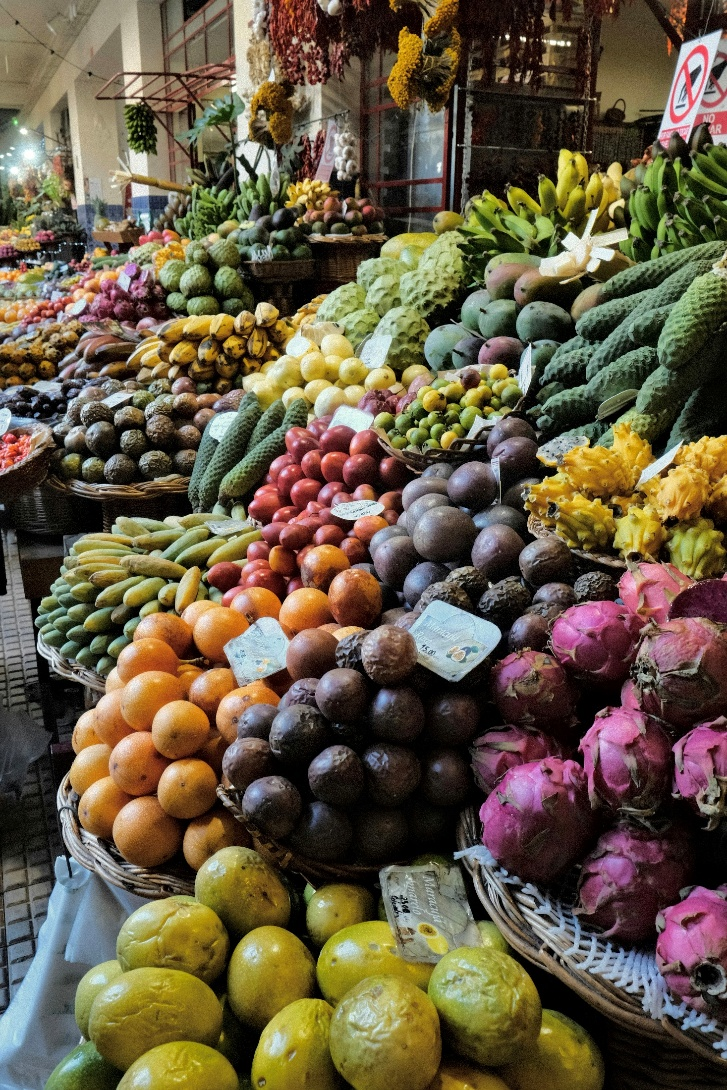
Lots of Fiber
Fiber prevents constipation, feeds the good bacteria, and keeps your digestive system clean, etc. Get 25 grams/day.
Fiber foods - berries, applies, guava, bananas, pears, prunes, avocados, broccoli, brussels sprouts, carrots, beets, cauliflower, artichokes, collard greens, corn, sweet potatoes, acorn squash, quinoa, whole wheat pasta, and oatmeal.
Lentils, black beans, pinto beans, chickpeas, and split pea. Flaxseed ground, chia seed (soaked in water or milk as they expand by 10 times, otherwise can cause stomach problems), sunflower seeds, almonds, peanuts, and popcorn (not the microwave kind).
Polyphenols
Foods high in polyphenols feed the good bacteria, reduce inflammation, and help you digest food better & absorb nutrients. Polyphenol foods - the general rule is foods high in polyphenols are darker in color.
Veggies - dark leafy greens like kale, spinach. Broccoli, asparagus, brussels sprouts, beets, carrots, red onions, red peppers. Brown algae & spirulina. Fruits - berries, apples, plums, cherries, figs, kiwi, apricots, oranges, lemons, grapefruit, pears, black olives. Other - olive oil, black beans, dark chocolate, green & black tea, coffee, nuts, turmeric, cloves, peppermint, dark colored herbs.
Protein
Chicken bone broth - contains protein & collagen, helps with hydration, and very gentle and easy to digest if you have digestive issues. It also helps repair the lining of the gut and reduces inflammation.
Protein - wild-caught fish, and grass-fed/pasture-raised meat & eggs are some of the best sources of amino acids needed for overall digestive system health. To stay clear of pesticides, hormones, and antibiotics - go organic.
Whole Grains and Nuts & Seeds
Grains - oats, whole grain pasta, gluten-free grains like quinoa, buckwheat, and brown, red, and wild rice. I rarely eat bread but recently found protein bread with lot's of added nuts & seeds - a good option if you like bread.
Nuts & Seeds - almonds and walnuts. Pumpkin seeds, flaxseeds, chia and hemp seeds. The fiber in nuts & seeds feeds the good gut bacteria.
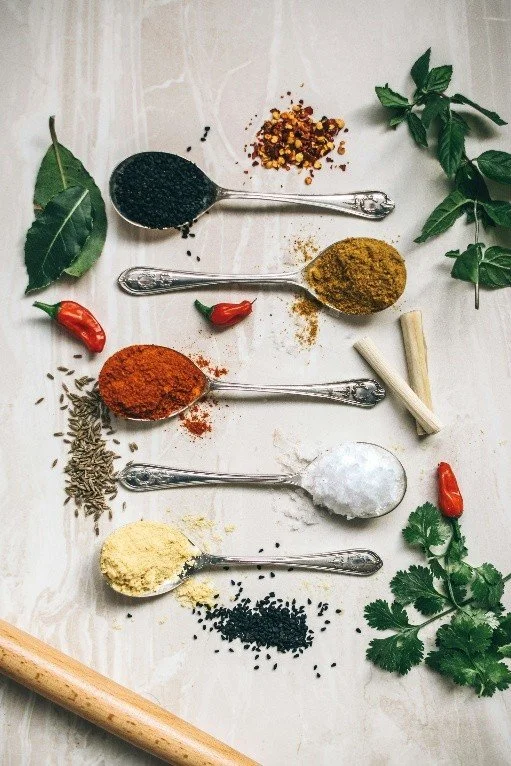
Healthy Fats & Spices
Fats - extra virgin olive oil, avocado oil, and avocados, and limited butter from grass-fed cows, and limited coconut oil.
Spices - turmeric, ginger, cumin, oregano, black pepper, onion, garlic, Ceylon cinnamon. One study found that spices higher in polyphenols which have antioxidants and are anti-inflammatory help the good bacteria prevent intestinal damage.
Foods that Harm the Gut
Processed foods - don't fall for the advertising gimmicks on the label, claiming added vitamins & minerals, enriched, or zero sugar, etc. Look at the ingredient list. If it's long and has a bunch of words you can't pronounce - RUN AWAY.
Foods with added sugar - sugar is in almost all boxed and packaged cereals, condiments, salad dressing, snacks, breads, and drinks including what you think is healthy orange juice. It's made this way on purpose - to get you ADDICTED to their food, so you'll keep buying more and more.
Refined oils - vegetable, canola, soybean, and corn oils change when they're cooked and get rancid. They cause serious inflammation throughout your gut and entire body. They're sold as an oil and used in most processed foods, fried foods, and salad dressings. I stay away from processed & fried foods. I've learned to make delicious salad dressing using Fage yogurt, extra virgin olive oil, and pasta seasoning (premixed with spices) or Italian seasoning. DELISH.
Unhealthy fats - trans fats & hydrogenated fats are put in fast foods, fried foods, and processed & packaged foods. They increase bad cholesterol, cause inflammation, and are harder to digest. They can also cause heart disease, diabetes, and obesity. FYI: partially hydrogenated oil is very harmful compared to hydrogenated oil which should be limited.
Commercial meat & eggs - most meats and eggs are produced by large commercial factories. Pesticides are used on the fields, hormones & antibiotics are fed to the animals, and the animals are fed very poor diets. This means, you're eating all of that. Even grass fed beef and cage free, pasture raised chicken can be eating pesticides and receive hormones & antibiotics. Organic is the safest meat & egg choice.
Red meat & processed meat - Diets high in red meat & processed meat (smoked, salted, or cured like hot dogs, sausage, ham, bacon, chicken nuggets) - put you at high risk of colon cancer.
Refined grains - includes refined flour and grains loaded with calories & sugar, and usually contain gluten. Refined means they remove the healthy bran & germ, leaving only the starchy center which is no nutrients. These grains are put in bread, pasta, cereal, rolls, and baked goods. Stick with whole grains.
Pasteurized dairy - pasteurized means it's heated to kill germs however it also destroys the good nutrients, enzymes, and good probiotic bacteria. I alternate between an un-sweetened almond milk which has fewer calories, less sugar & saturated fats. Or I use organic cow's milk for the protein, calcium & vitamin D.