Palm Springs CA - Aerial Tram & Desert Oasis
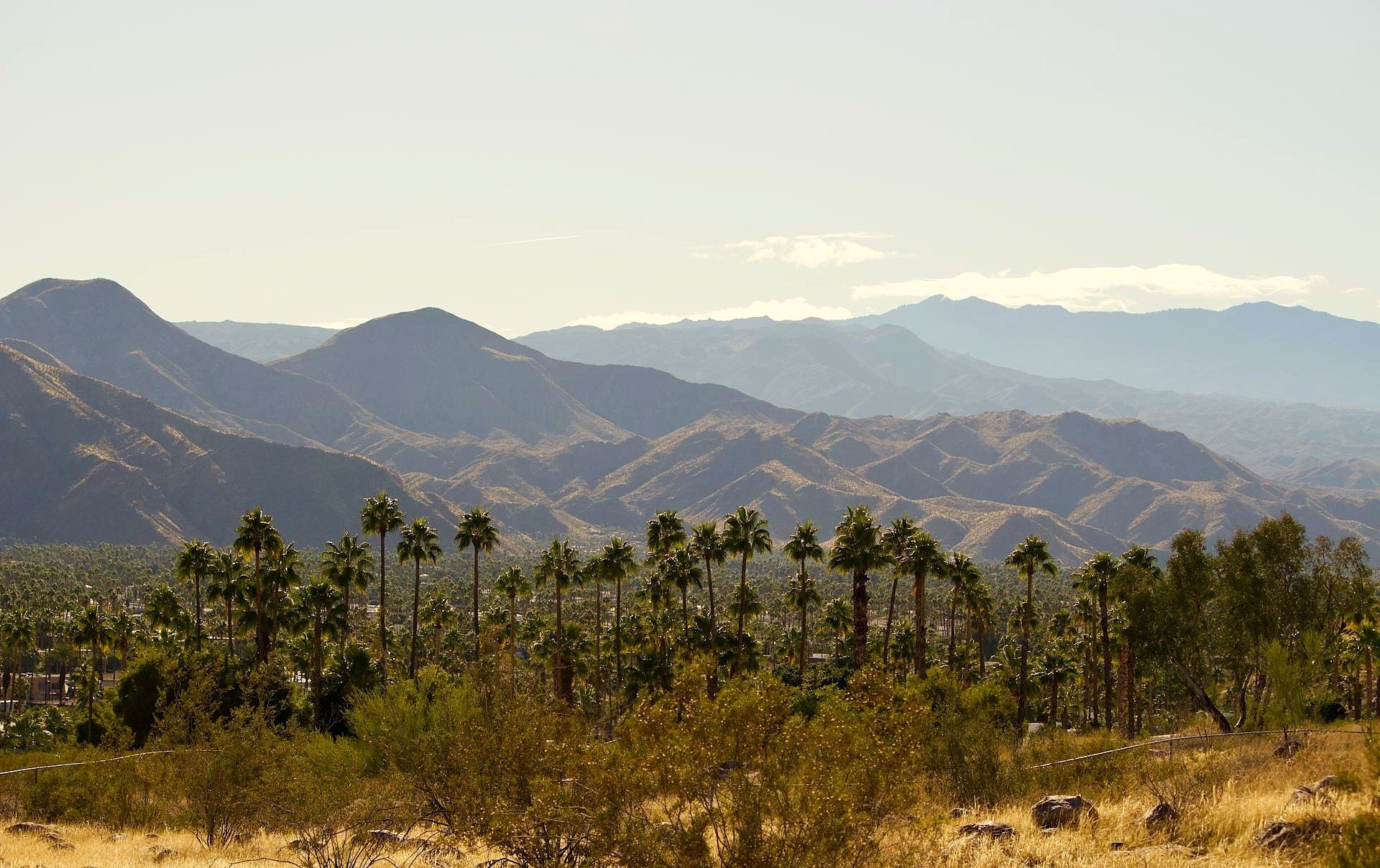
Palm Springs CA
Palm Springs is known for mid-century modern homes, luxury resorts, casinos, golf.... and hot temperatures that last all night long during the summer. Ride the Aerial Tram up San Jacinto Mountain. Hike the Thousand Palms Oasis Preserve and see a real desert water oasis. Explore Tahquitz Canyon & the waterfall. There’s also a Living Desert Zoo and Moorten Botanical Gardens.
Table of Contents
Approximate Time: 3-4 days for Palm Springs
Aerial Tram & San Jacinto Mountain
Thousand Palms Oasis Preserve
Tahquitz Canyon
More Fun Things to Do
Travel Tips - Palm Springs
Great add-on trip: Death Valley, CA
Palm Springs CA
Location = Palm Springs Visitor's Center. 2901 North Palm Canyon Drive, Palm Springs CA.
Palm Springs encompasses 94 square miles, and 10% of it is owned by the Cohuilla Indian Tribe - perhaps the wealthiest tribe in California. As of 2020 the population was less than 45,000 however, the population triples during the spring & winter seasons due to the retirees & snowbirds. Snowbirds are people who move from their primary home before the cold, snowy climate begins, to their second home located in a warm climate. Around late spring, they move back home.
Palm Springs became USA territory in 1848 after the Mexican-American War. In 1876, the USA established the Agua Caliente Reservation - meaning "hot water" for the Cohuilla who originally named it Se-Khi, meaning "boiling water". Yes it's true - the water gets pretty hot, so don't expect to get a refreshing dip on a scorching day! And who wants to swim in a hot pool on a hot day? Read about Thousand Palms desert oasis below.
I lived in California for 20 years and many cities & streets have Spanish names since Mexico originally owned all of California and several other states.
Aerial Tram - Mt. San Jacinto
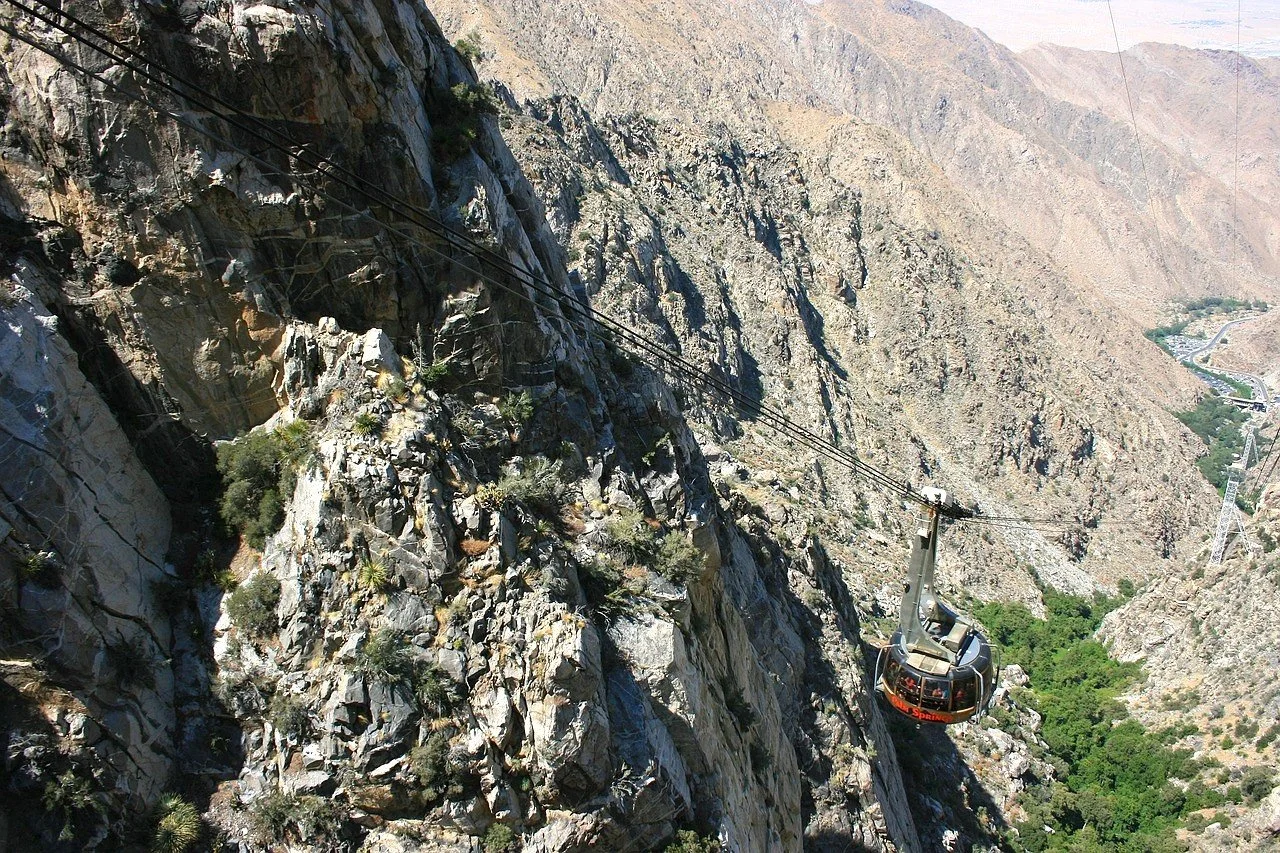
Palm Springs Aerial Tram
Location = 1 Tramway Rd, Palm Springs CA. FYI: the Mountain Station at the top of the Aerial Tram has dining, gift shop, lockers & restrooms.
The hike is awesome to the top of San Jacinto Mountain - roundtrip hike is 6-8 hours. Expect snow in the winter.
The Palm Springs Aerial Tram is the largest rotating aerial tram in the world. Ticket lines may get long, so maybe purchase tickets online. Hiking up San Jacinto Mountain is one of my favorite things to do in Palm Springs. What's yours?
The Aerial Tram takes you from the desert floor up to 8,516 feet. The ride is a little scary for me inside the glass enclosure. My fear of heights kicks in - it’s just off the charts crazy high like I could almost touch the heavens. You're just dangling there, inside TONS of metal hanging on a cable wire.
FYI: The air is thinner so it's harder to get oxygen. Breathing seems to get a little harder beyond 8,500 feet elevation. The weather conditions on San Jacinto Mountain can change rapidly - so be prepared and carry warm clothes & emergency gear like whistle, flashlight, matches, thermal blanket under 1 pound, snacks, and extra water. Cell service is sometimes spotty. * Wilderness permits are required.
San Jacinto Mountain
San Jacinto is pronounced: San Ha-SIN-toe. San Jacinto's peak is 10,8374 feet up, and the shortest trail is about 11 miles roundtrip from the top of the Palm Springs Aerial Tram.
From the Tram - follow the sign to Round Valley then up to Wellman's Divide. At the junction, head up to the peak. In winter months you can also cross-country ski or snowshoe.
The challenging route is 17.1 miles roundtrip on Deer Springs Trail in Idyllwild, CA. On my last trip up this route, a 2-seater plane flew by at eye level. We waved to each other…. how SUPER cool is that?
Thousand Palms Oasis
Location = Thousand Palms Oasis. 29200 Thousand Palms Canyon Rd, Thousand Palms CA. It's about 10 miles east of Palm Springs. Entry is free, however donations are appreciated. FYI: Some areas & trails are closed on different days or times. NO dogs or smoking allowed.
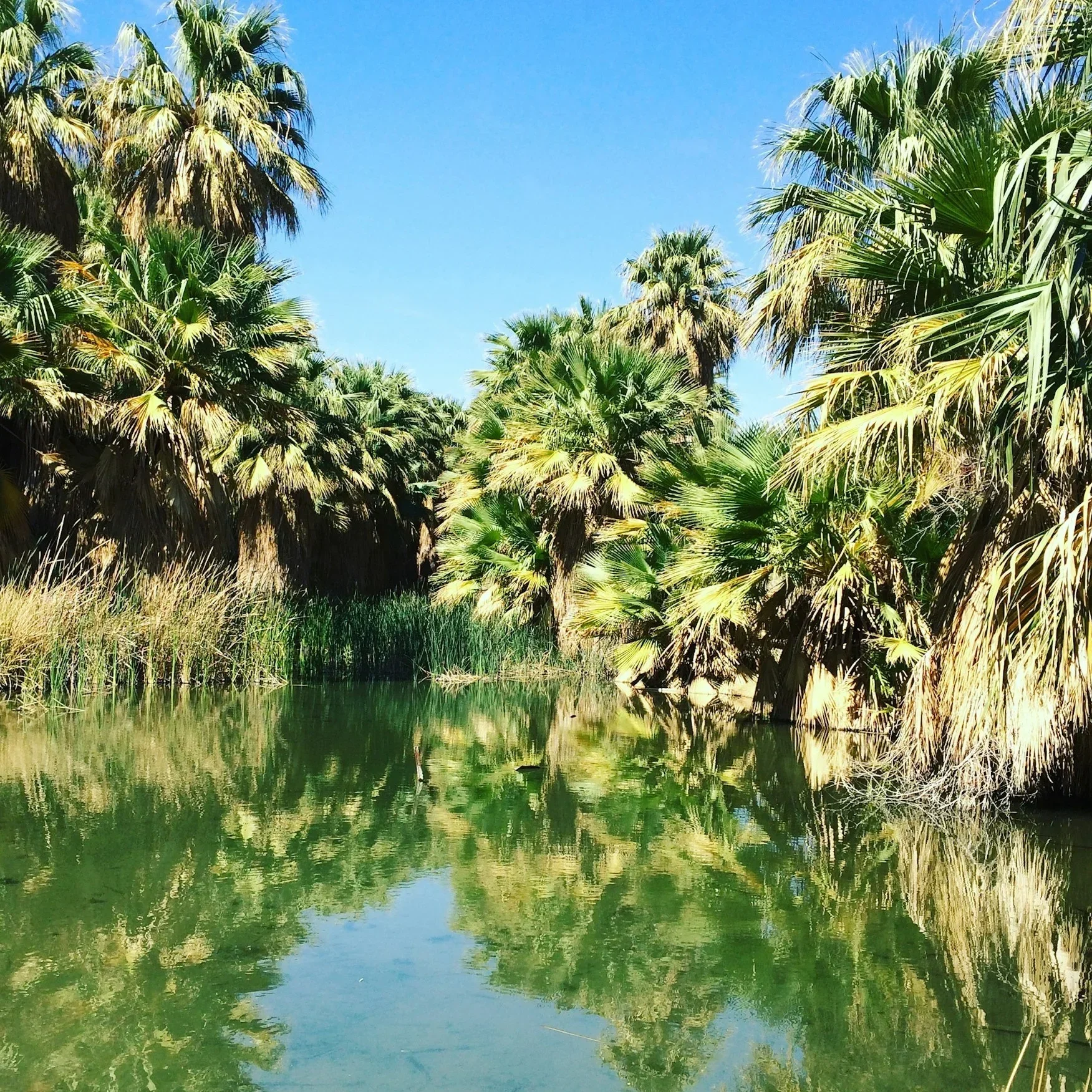
Thousands Palms Oasis is literally a desert oasis within the Coachella Preserve. There's 25 miles of trails in the Thousand Palms Oasis Preserve that takes you thru different desert landscapes. You'll get to explore a forest of palm trees and desert wetlands. Wait, WHAT? Wetlands in a desert?
Thousand Palms Oasis
Oasis means a fertile area with greenery or water within a dry area.
It's hard to imagine "wetlands" in a desert? That's like an oxymoron. Thousand Palms Oasis sits on top of the massive San Andreas Fault Line.
The constant movement going on underground is what causes the water to seep up from the depths that rise to the surface and form pools/wetlands.
There's actually several ponds within Thousand Palms Oasis, and I was pleasantly surprised to see how big the desert oasis pool really is. The waters are so calm you can see the palm trees perfectly mirrored in the water. Don’t miss the wooden bridge thru the tunnel of palm fronds.
Tahquitz Canyon
Location = Tahquitz Canyon Visitor Center. 500 W. Mesquite Ave, Palm Springs CA. FYI: Buy your $15 day hike tickets at the Visitor Center. They require you to have at least 32 ounces of water. If not, you can buy water there. NO dogs/animals allowed. There are some steep steps up to 15 inches high to climb.

Waterfall at Tahquitz Canyon
Tahquitz is pronounced: Tah-keetz. The scenery is really beautiful on the Agua Caliente (meaning hot water) Cohuilla Indian Reservation. To get a glimpse into Native American history, visit Tahquitz Canyon - it's amazing to learn how they thrived in this intense heat environment.
The Tahquitz Canyon trail is about 2 miles roundtrip. A perfect place to see Native American petroglyphs- read my blog about: Palatki Heritage Site in Sedona, AZ.
Tahquitz Canyon also has a pleasant surprise - a 60 foot waterfall that shoots out of the rocks forming a pool below. Considering this is a desert - it’s pretty awesome, and feels great in the heat. I'm sure it's prettier in spring and early summer if there were winter rains to put the “green” back in greenery. There are some steep sections with lots of rocks, and the stone steps get up to 15 inches in height.
You'll also find some Indian rock art and various plant & animal life. The Visitor's Center carries artifacts & souvenirs. I chose this trail because of the waterfall - I call myself a waterfall chaser. And yes - you can swim in the pool at the base of Tahquitz Falls.... YIPPEE.
The trails at Indian Canyon are also popular having flatter terrain than the Tahquitz Canyon which you might prefer instead.
More Fun Things to Do
Museums - the Palm Springs Art Museum & Air Museum.
Living Desert Zoo & Gardens - it's a laugh and a 1/2 to feed the giraffe's. And ewww.... dark purple tongues!
Moorten Botanical Gardens - cactus/native plants & a Villa called Cactus Castle.

Golfing - Palm Springs is loaded with golf courses, luxury resorts, and spas.
Casino's - there's several casino's if you're into gambling.
Outdoor fun - hot air balloons, rock climbing, and horseback riding.
Walk of Stars - Palm Springs became really popular with celebrities from the 1930's thru 1960's. Over 400 are represented at the Walk of Stars, and big names include Elvis Presley & Frank Sinatra.
Travel Tips - Palm Springs
Average temps high/low = Summer average 109/78 degrees F. Winter 72/46.
Weather - expect winter snow in the San Jacinto Mountains if you take the Aerial Tram up. Monsoon season from mid-June to mid-September are short heavy rain storms that cause flash floods.
Backpack essentials - EXTRA water, cell phone, bug spray, tube whistle is louder, flashlight, flares, pocket knife, rope, sunscreen, rain jacket.
Winter essentials - thermal blanket, boots, warm clothing.
Hiking conditions - trails don't have much shade, so drink water before, during, and after hiking in the desert. Trails can also be unstable due to sliding rocks, gravel and steep terrain.
Vehicle safety – keep a spare blanket, boots, jacket, gloves, flashlight, lighter, water, and snacks in the car. All season tires should take care of any snow, which is rare.
Poisonous plants - every region has it's own list of poisonous plants, so please know what you're touching.
Wild animals - dangerous animals: coyotes, mountain lions, and bobcats.
Poisonous creatures - 3 types of rattlesnakes plus the sidewinder live in rocky, sandy, or bushy areas. The green Mojave rattlesnake is one of the most venomous in the world. Also the black widow spider and bark scorpion.
Trash - Pack out what you pack in.
Wilderness safety – travel with a buddy and give a friend back home your itinerary.
Wilderness resources - for current info & alerts on federal land, check = Wilderness Connect, which includes info from all 4 national agencies: Forest Service, Parks, Fish & Wildlife, and BLM. State = google state website with current wilderness info. Local = google "ranger stations near ___".