Flagstaff/Page AZ - Antelope Canyon & Lake Powell
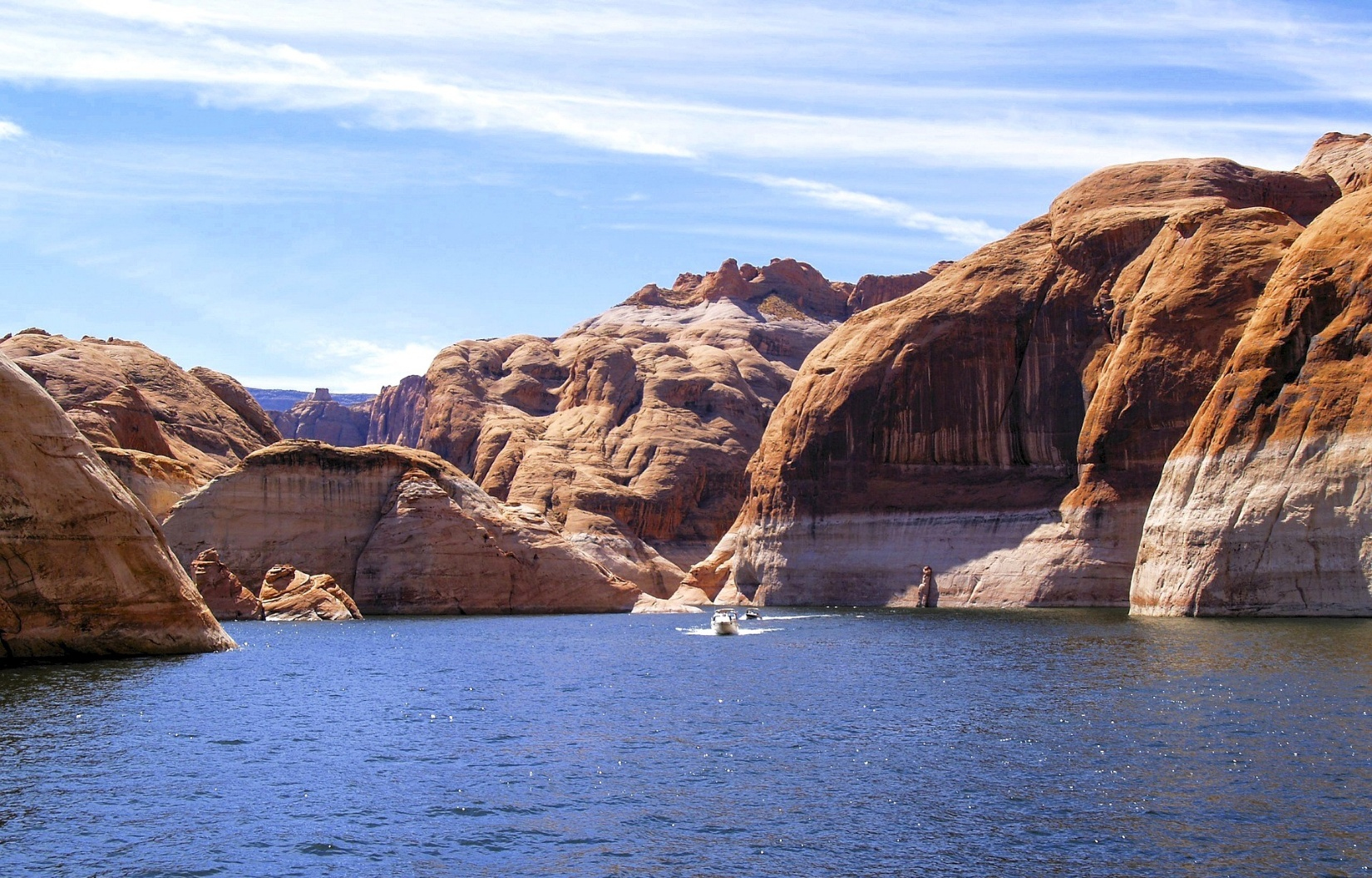
Lake Powell, Page AZ
Flagstaff AZ - all sorts of fun at Fort Tuthill Park and hike Walnut Canyon to the Indian cliff dwellings. Page AZ - tour Antelope Canyon's swirling red rock with a Navajo guide, stand above iconic Horseshoe Bend forged by the Colorado River, and explore Lake Powell's sandstone cliffs & hidden Rainbow Bridge.
Antelope Canyon & Lake Powell
Table of Contents
Approximate Time: 8-14 days total for Sedona and Flagstaff/Page, AZ
Fort Tuthill County Park
Walnut Canyon Monument
Horseshoe Bend
Antelope Canyon
Lake Powell
Rainbow Bridge
More Fun Things to Do
Travel Tips - Flagstaff/Page
Great add-on trip: Sedona, Arizona.
Flagstaff, AZ
Fort Tuthill County Park
Location = Fort Tuthill Park. 2446 Fort Tuthill Loop, Flagstaff AZ. Free entry however special events & rentals do have fees. Open 7 days/week, check holiday closures.
Fort Tuthill County Park has almost everything: archery, disc golf, bike park, hiking/biking trails, and fairgrounds. Go horseback riding at the arenas or take the cross country course on a horse. If you like the aerial adrenaline stuff - do the extreme adventure course.
More fun stuff: the World War I/II historic military area or concerts at the Amphitheater. If you're there in winter, don't miss their Snow Park and magical North Pole Experience. There’s also several trails within the Fort Tuthill Park from 1.5 miles to the 5.2 mile loop. If you’re up for the challenge - take the 42 mile non-motorized loop around Flagstaff, accessed from the Park.
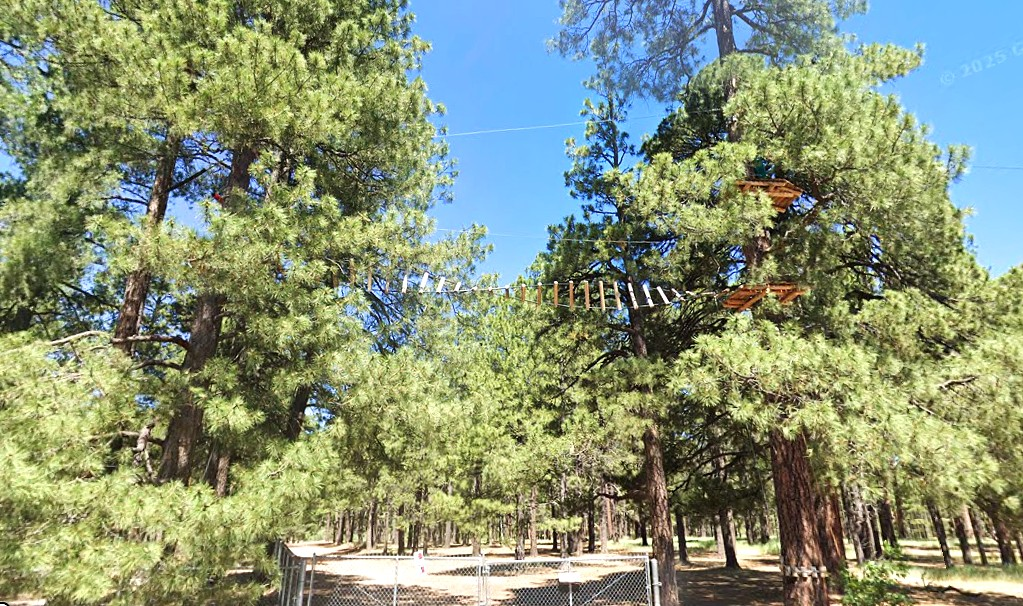
Fort Tuthill Park’s Extreme Adventures
For you thrill seekers out there - you won’t want to miss the zipline and extreme obstacle course in the tree tops.
As for me - ziplines are a yes, and all other aerial type sports are a no…. a firm, hell no!
Walnut Canyon Monument
Location = Walnut Canyon Monument. 3 Walnut Canyon Rd, Flagstaff AZ. $15 to $25/vehicle pass required. Open 7 days/week, 9am-5pm, check holiday closures. We stopped by the Visitor Center & Museum before we hit the trail.
FYI: NO pets allowed in the Visitor Center or Island Trail. NO pets allowed in vehicles. Cell phone coverage is spotty. Weather can change rapidly: afternoon storms (July-September). Expect high winds & heavy snow (fall-spring).
The Walnut Canyon Visitor's Center is at the top of the canyon at 6,690 feet. The canyon is reported to be 350-600 feet deep and it's here that the Sinagua Indians made their home in cliff dwellings around 1125 to 1250 AD.
After that, the Sinagua just disappeared - the exact reasons are unknown. Sinagua is Spanish meaning "sin" (without) and "agua" (water). Since the waters of Walnut Creek created the canyon and was their water source, I'm not sure why that name was chosen.
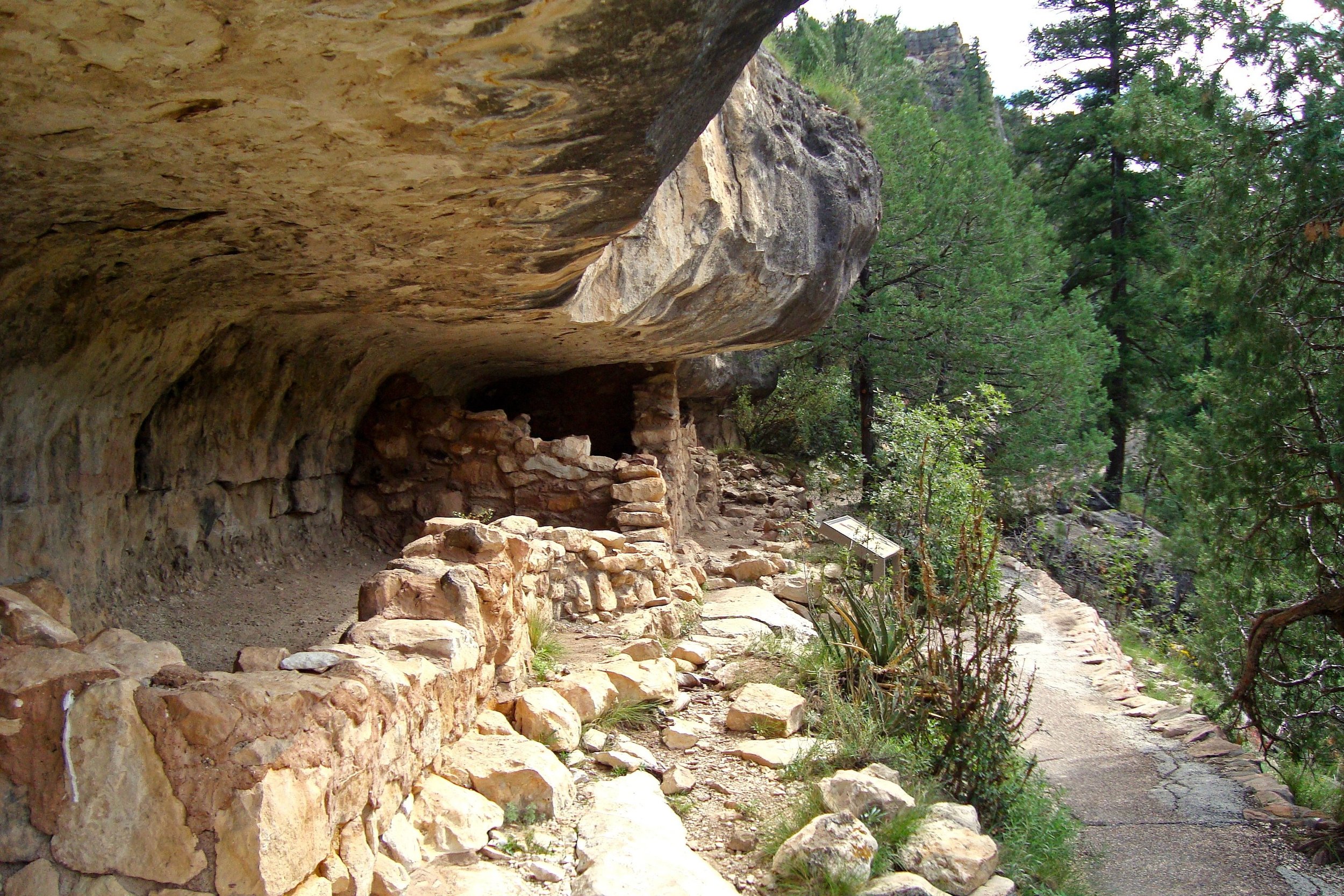
Walnut Monument
Rim Trail - the Rim Trail is .7 miles roundtrip, and leads you to the ruins of both types of original dwellings before the Sinagua started building their permanent cliff dwellings.
Walnut Canyon includes their first dwellings - the pueblo, built above ground and the pithouse, built below ground. The trail follows the rim past an area of farm land, including a side trail that takes you to a lookout point across from the cliff dwellings.
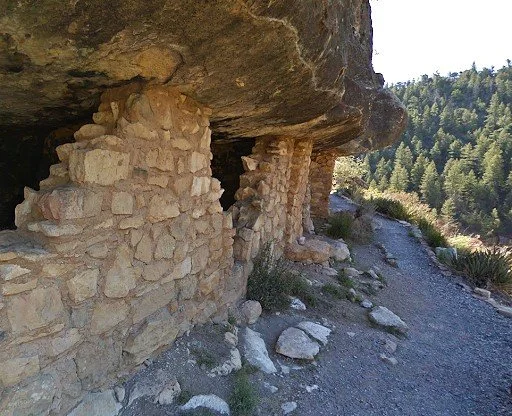
25 Cliff Dwellings
Island Trail - the Island Trail is 1 mile roundtrip and takes you alongside the ruins of 25 cliff dwellings, which is the actual Walnut Canyon Monument.
It's a spectacular historical site with the creek below for fresh water, the cliff overhang to protect them from the elements, and a strategic location to protect against invasion.
Impressive considering they had to make a daily trek to the canyon floor to get water.
If you're fascinated with history like I am, Walnut Canyon is a must see. FYI: Everyone in average condition can make the hike down into the canyon and back up. If you're fairly inactive, just take you’re time.
Page, AZ
Page, Arizona sits at 4,300 feet elevation and was developed to house the construction workers of Glen Canyon Dam in 1957-1963. Page is known for several popular attractions like Antelope Canyon, Horseshoe Bend, and Lake Powell. Well known movies were also filmed here: 2013 The Lone Ranger, 2017 The Greatest Showman, and 1967 Planet of the Apes.
Horseshoe Bend
Location = Horseshoe Bend. No address, Page AZ. From the intersection of Hwy 89a and Hwy 89-N, drive 21 miles north, then left on Page Parkway to parking.
FYI: Horseshoe Bend parking fee = $5 to $10/vehicle, open sunrise to sunset. NO drones allowed. Hiking & wheelchairs only. FYI: the National Park Service will advise of any "Alerts" for Glen Canyon Park. And always carry extra water.
Horseshoe Bend is 1.5 miles roundtrip on a flat trail. The bend was carved out by the Colorado River and is about 1,000 feet deep. The river used to flow into the Gulf of Mexico, but overuse has reduced water levels and no longer reaches the gulf.
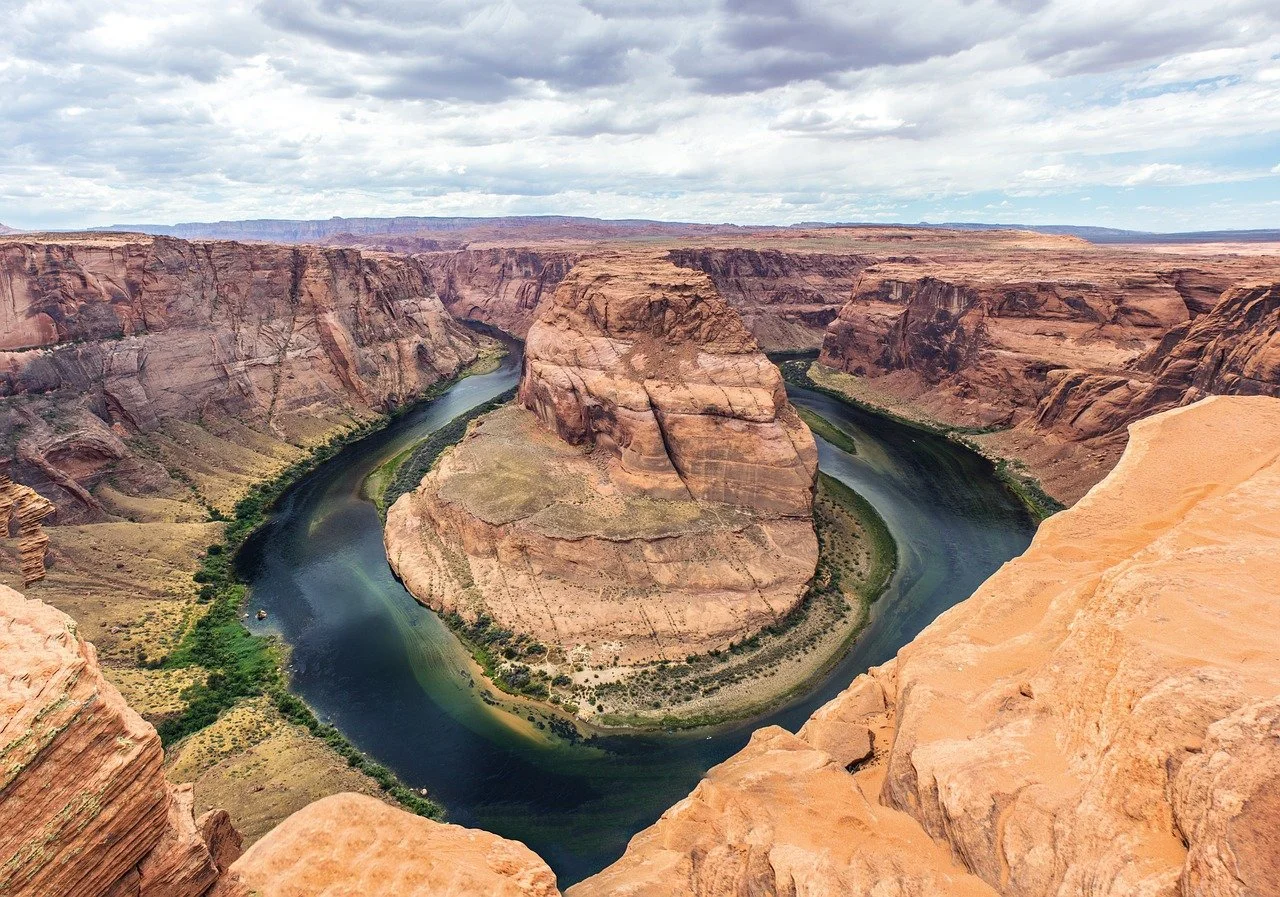
As I step up to take the photo.... WHOA.... too far, too far. I’m standing on the edge of oblivion and my fear of heights went from 0 to 60 in a blink. I gotta shoot fast and back… back... back. OK, that's better!
Horseshoe Bend is an incredible natural site, and is a recognized landmark. We heard from locals that you can actually get to the bottom of Horseshoe Bend if you take a raft or kayak from Lee's Ferry. My research revealed the Navajo Nation owns several properties around Arizona, including this trail & lookout.
No matter where I go, if there’s a cliff hanger(!) - you’ll notice my photos are never taken from the intersection of solid ground and over the edge. If I’m with somebody - they assume the photographer role.
Antelope Canyon
Location = Antelope Canyon. Hwy 98, Milepost 299, Page AZ takes you to Navajo Tours. Antelope Canyon is accessible only by guided tour. Prices $100 - $120 + fees/taxes per person, including infants, so maybe get a babysitter. FYI: NO mono/tripods or selfie sticks. Check-in 30 minutes prior to tour. Upper canyon’s 1 hour tour of is 90 minutes total with transport. Lower canyon tours are also available but there are 8 ladders to climb and fairly tight corridors.
Antelope Canyon is located on Navajo land and considered a sacred monument which they named: "the place where water runs through rocks”. The Canyon is a place where they can connect to mother nature in a spiritual way. Your Navajo guide will provide interesting facts about the geology, Navajo history, and culture surrounding the canyon. Our Navajo guide had some jokes, so it was a fun time.
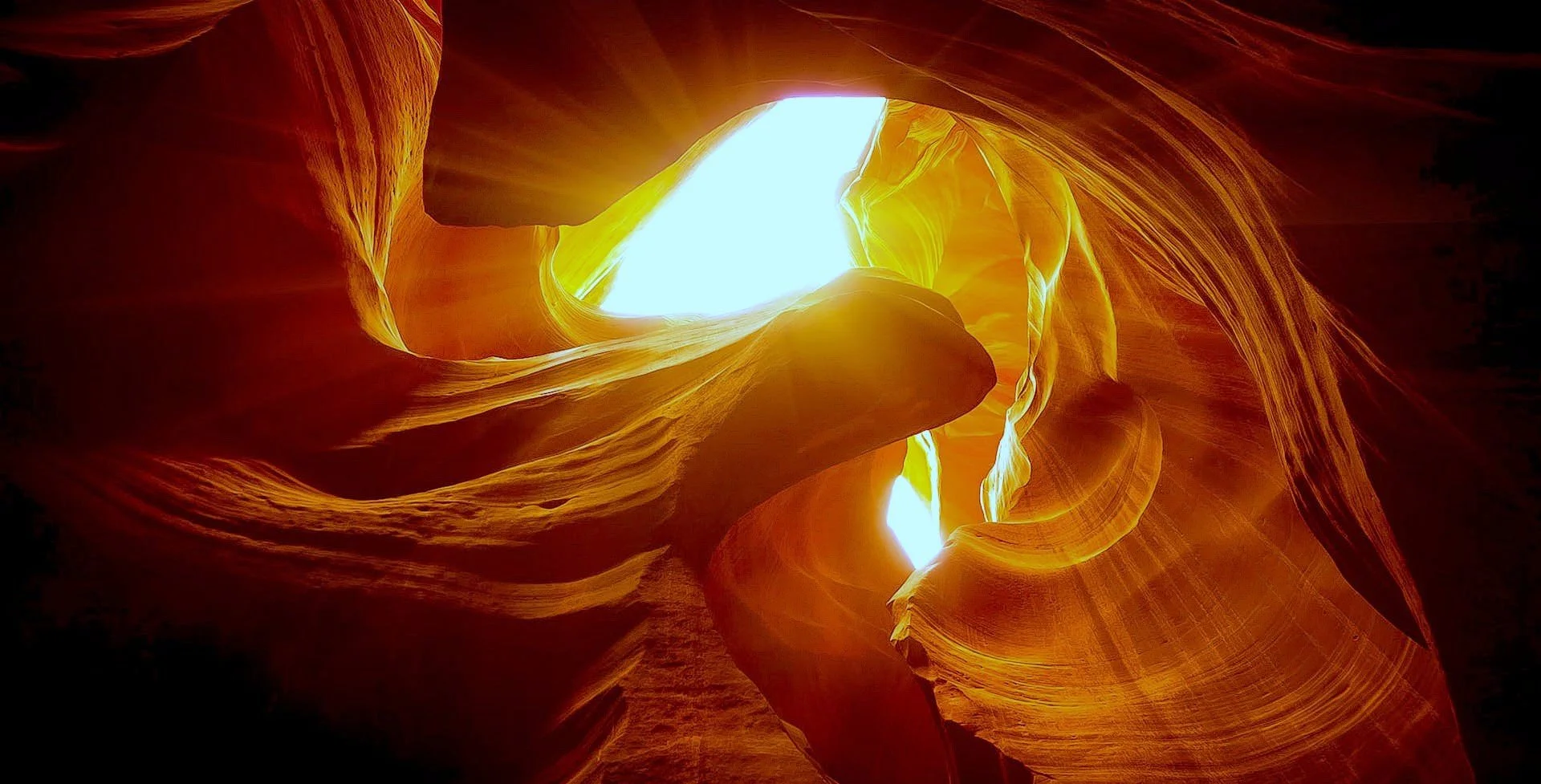
Antelope Canyon Rock
Inside, you'll see the unique beauty of nature at work.
Water flowing thru this canyon created the wave like patterns. It's truly stunning and a gift to behold.
There’s also has a quiet stillness inside - except for the sun's movement that streams rays of light down thru the crevices before fading to dark. It's easy to see why the Navajo consider Antelope Canyon sacred.
From the river bed at the base, the canyon walls rise 120 feet up, and depending on what season you visit in - you can ask Navajo Tours the best time to catch the light. This is what makes Antelope Canyon one of the most popular canyons in the world.
Lake Powell
Location = Carl Hayden Visitor Center. 1000 US Hwy 89, Page AZ which is just south of Glen Canyon Dam and Lake Powell. FYI: Lake Powell requires a National Park Pass. Buy it online, at Carl Hayden Visitor Center or any of the entry points. $25/vehicle for 1 day. Extra fees apply for access to Navajo lands.
Check: Water "ALERT" Advisories. On occasion there's harmful algae growth in the lake that can cause severe illness. Carl Hayden Visitor Center has awesome views of the Glen Canyon Dam and Lake Powell, as well as historical exhibits and restrooms.
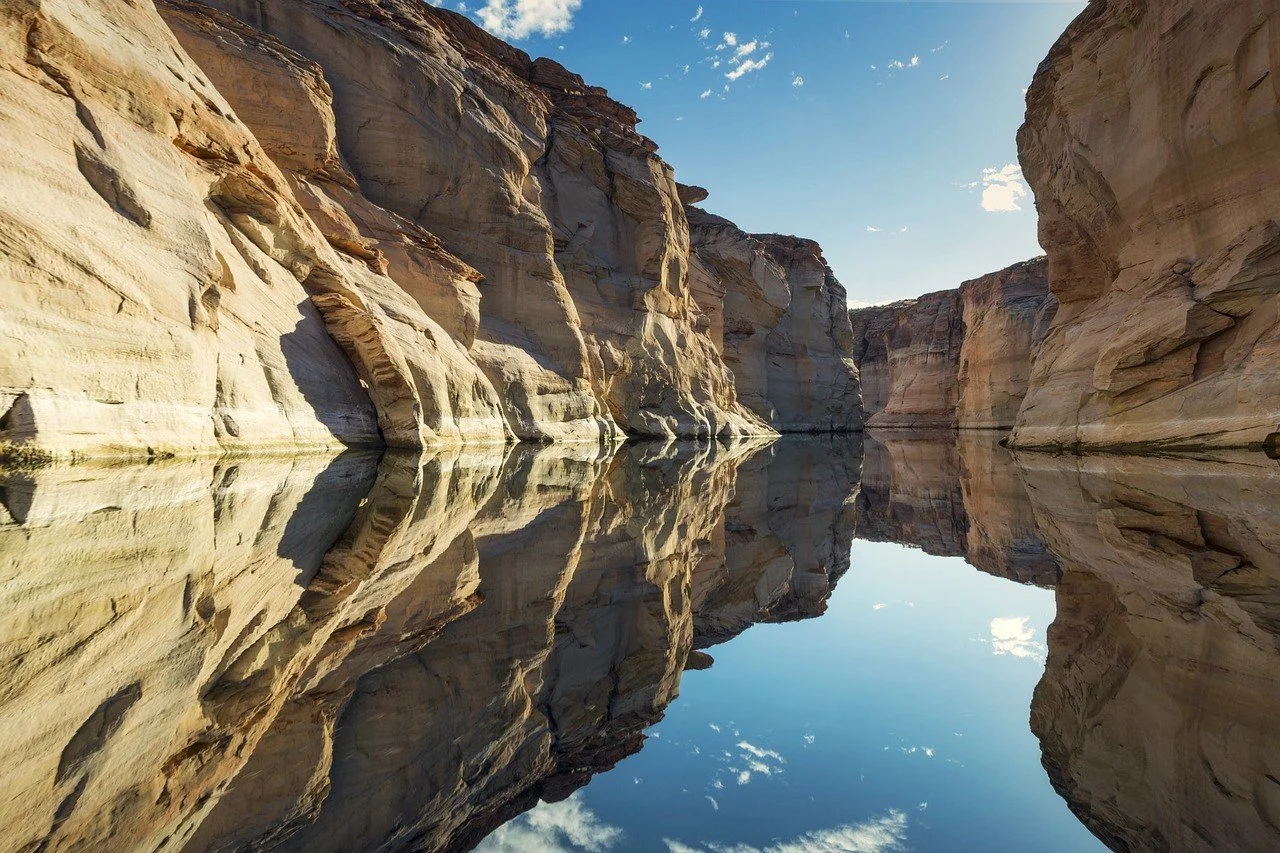
Lake Powell’s Origin
Lake Powell is one of the largest man-made lakes in the world, and a major resort area. It has 1,960 miles of shoreline - that's longer than the USA's west coast.
Originally it was part of the Colorado River, however, the Glen Canyon Dam built in 1957 to 1963 created the lake. The Glen Canyon Dam is a 710 foot high concrete wall with a maximum width of 300 feet at it's base.
Things to Do at Lake Powell
There's so much to explore on Lake Powell - like relaxing on one of several beaches plus 96 major side canyons to explore by boat. Are you itching to get in the water? To answer your question - YES, you can swim in Lake Powell. The summer season’s water temperature can hit 78 degrees F. bathwater. See photo up top.
Rentals & Tours - Several Marina's at Lake Powell have rentals: kayak, speedboat, jetski, and pontoon boat. If you're looking to live on the water, try a houseboat - I've never been on a houseboat but friends say it's loads of fun. Personally I've owned jetski's and a boat before, and both are super fun options. A jetski provides a little more freedom squeezing between canyon walls & riding in shallow water, while a kayak brings a calmness to the activity.
Rainbow Bridge
Rainbow Bridge Monument is accessed by boat - go to Buoy 49, Forbidding Canyon, Lake Powell. Follow the floating sign to the right for 2 miles. Follow the next sign to the left thru a narrow canyon & proceed slowly. Buoys warn: DON'T make waves. There’s a mystery about these water canyons, almost giving it an Indiana Jones vibe.
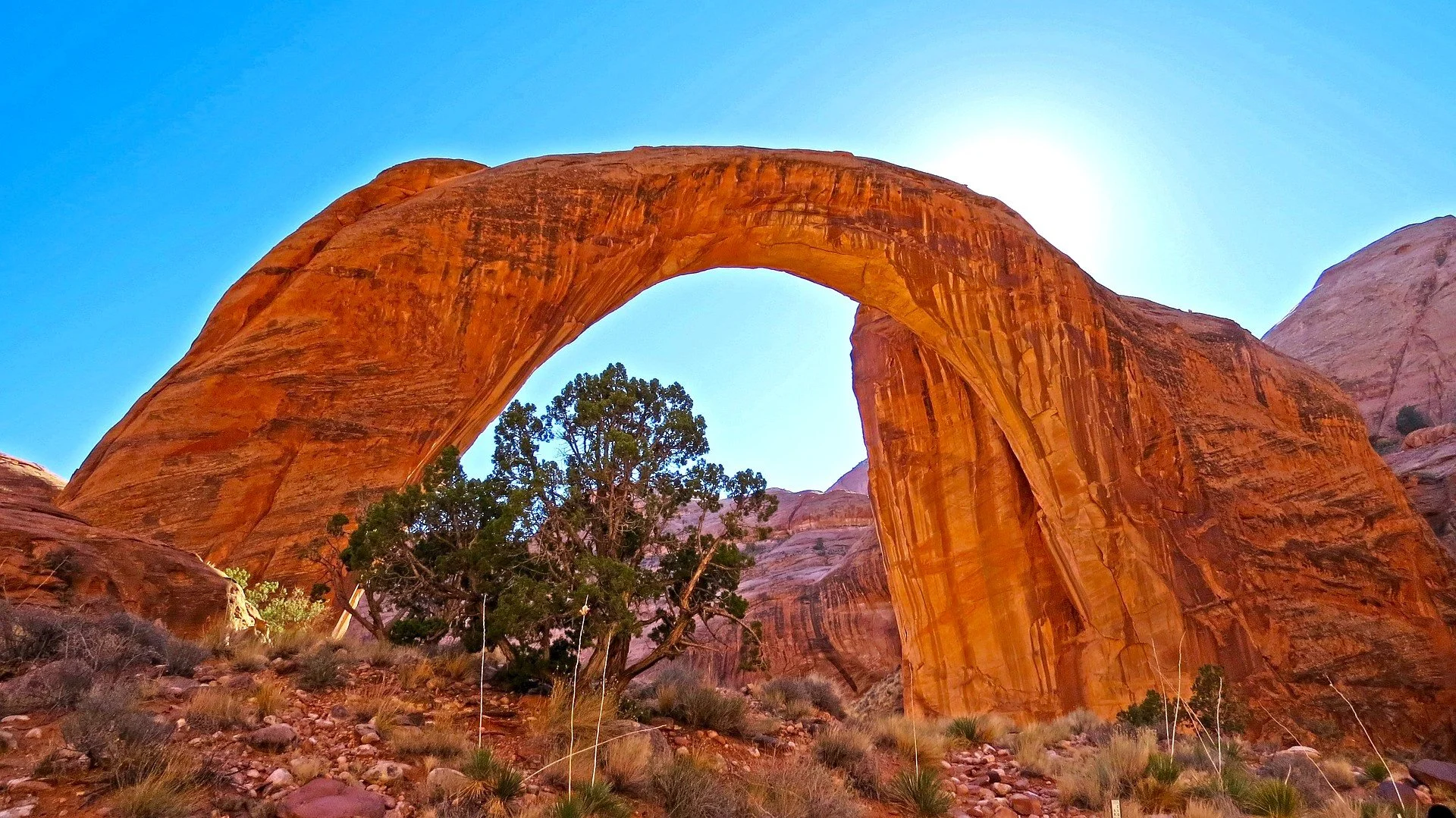
Rainbow Bridge Trail
The trail to Rainbow Bridge is about 2 miles roundtrip. On the west side of Rainbow Bridge, are plaque monuments that pay tribute to the Indian guides who led white explorers to the site.
The arch is actually in Utah and is one of the largest natural arches in the world, about 290 feet tall and 275 feet wide. That’s an impressive hunk of rock.
More Fun Things to Do
Best times to visit are March to mid-Jun and Sept to mid-Dec.
Colorado River - the only access point for 700 miles that you can drive to is Lee's Ferry. A historical site & launch for commercial rafts & personal kayaks. There is a small vehicle fee.
Powell Museum - Major Powell was given credit as the first to lead people thru the Grand Canyon in 1869.
Kayak/Raft Tours - tours are available from 1/2 day trips up to a couple weeks.
National Parks - nearby Zion Park in Utah or the North or South Rim of the Grand Canyon.
Hiking & biking trails - Beehive Trail, Hanging Gardens Trail, the New Wave Trail, and the longer Rimview Trail.
Travel Tips - Flagstaff/Page
Average temps high/low =
Flagstaff is at 7,000 feet elevation. Summer average 82/43 degrees F. Winter 45/18 F.
Page is at 4,300 feet elevation. Summer 94/70 F. Winter 50/30 F.
Weather - expect snow: Flagstaff about 100 inches/year and Page 4.5 inches/year. Expect monsoons from July-September which are short periods of thunderstorms & heavy rains which causes flooding. Hikers & swimmers use caution.
Backpack essentials - EXTRA water, cell phone, bug spray, bear spray & bear horn, tube whistle is louder, flashlight, flares, pocket knife, rope, sunscreen, rain jacket.
Winter Essentials - thermal blanket, waterproof boots, warm clothing.
Hiking conditions - trails don't have much shade, so drink water before, during, and after hiking in the desert. Trails can also be unstable due to sliding rocks, gravel and steep terrain.
Vehicle safety – Keep a spare blanket, boots, jacket, gloves, flashlight, lighter, water, and snacks in the car. Winter roads can be icy under the snow. Beware of black ice - a layer of ice over the road that's difficult to see. Use “winter” tires or all weather tires in lighter snow. If you only have "all season" tires - take snow chains.
Rivers/lakes – wear river shoes to avoid cuts on the feet, and to help with traction.
Poisonous plants - every region has it's own list of poisonous plants, so please know what you're touching.
Wild animals - black bears are becoming bolder in parks/campsite areas mostly due to food. Bears are more aggressive in April after hibernating and mam's with her cubs. Air horns - use it every few miles, it's best to alert them rather than startle them. If a bear charges - do not run, slowly back away facing the bear, use the air horn & wave your arms. Use bear spray if they get close.
Also dangerous - Gila monsters, mountain lions, javelinas, desert toads, Africanized bees, centipede, blister beetle, and tarantula hawk which is a wasp.
Poisonous creatures - Arizona has 13 venomous rattlesnakes and the coral snake which has venom like the cobra. Also poisonous: scorpions, black widow & brown recluse spiders.
Trash - Pack out what you pack in.
Wilderness safety - because there are remote areas with less visitors, it's best to travel with a buddy. Also, give a friend back home your itinerary.
Wilderness resources - for current info & alerts on federal land, check = Wilderness Connect, which includes info from all 4 national agencies: Forest Service, Parks, Fish & Wildlife, and BLM. State = google state website with current wilderness info. Local = google "ranger stations near ___".